Canary Islands · Spain · 1,560 km²
Gran Canaria
A continent in miniature — golden dunes and Atlantic surf in the south, a volcanic interior of peaks and cave villages above the clouds, and a real Spanish capital in the north.
Canary Islands · Spain · 1,560 km²
A continent in miniature — golden dunes and Atlantic surf in the south, a volcanic interior of peaks and cave villages above the clouds, and a real Spanish capital in the north.
Must-See
From an ocean of golden sand to a highland caldera that was sacred to the island's first inhabitants — four Gran Canaria experiences that will stay with you.
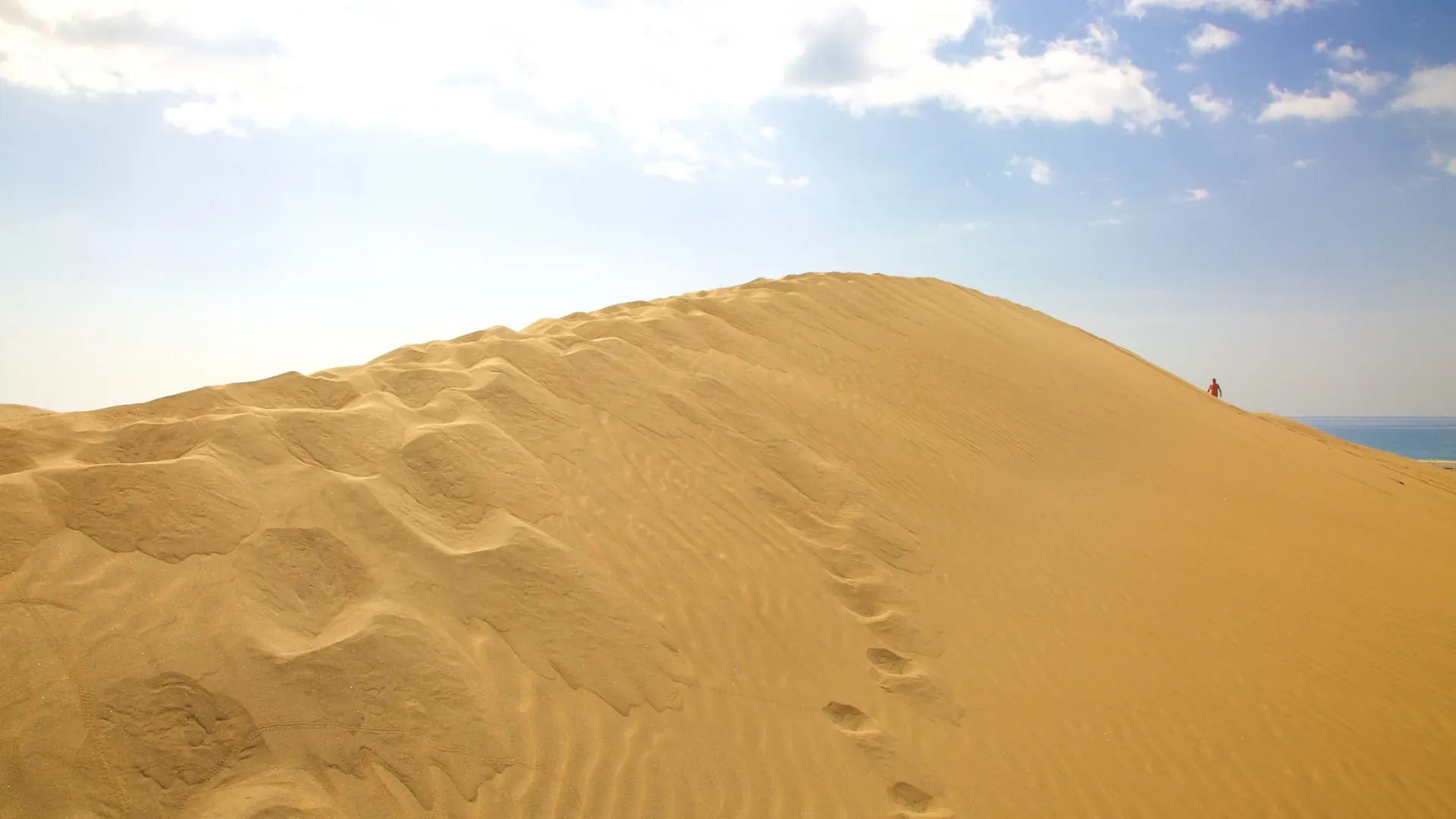
Around 400 hectares of golden dunes at the island's southern tip, protected as a nature reserve between Playa del Inglés and the Maspalomas lighthouse. Despite the popular story, the sand isn't blown in from the Sahara — most of it comes from the sea. Walk in at dawn or dusk and the dunes feel entirely wild: wind-sculpted crests, the La Charca lagoon and the 19th-century lighthouse where the land ends.
Nature Reserve · Dunes · Iconic Read our Maspalomas Dunes guide →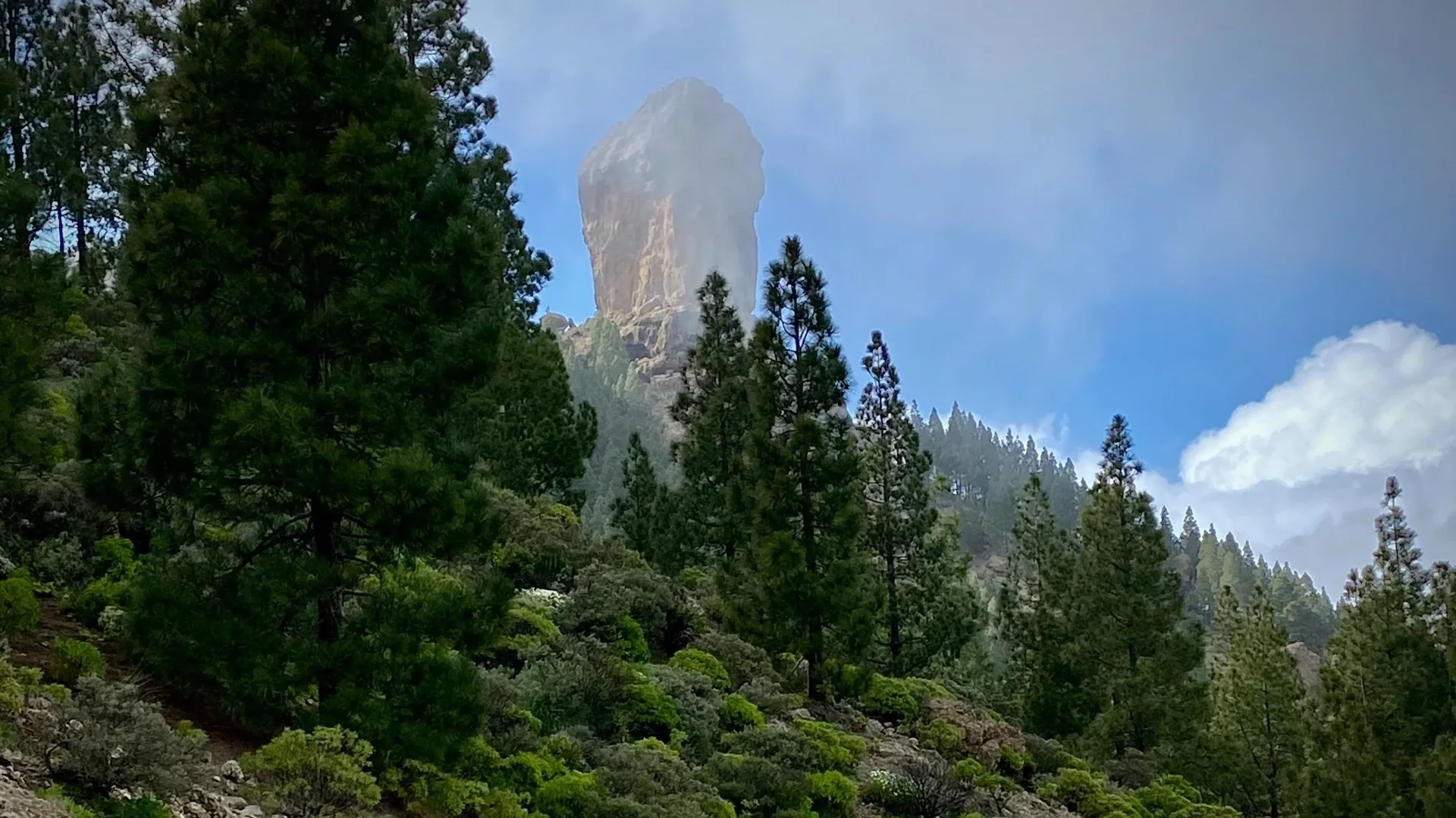
Around 67 metres of volcanic rock standing on a plateau at about 1,800 metres, Roque Nublo is the symbol of Gran Canaria and was a sacred place for the island's pre-Hispanic inhabitants. Since 2025, access between 9:00 and 17:00 needs a free reservation and the trailhead car park is closed to cars. Around it, the Tejeda caldera — the geological heart of the island — is ringed by white villages, almond groves and some of the best hiking in the Canaries.
Volcano · Sacred · Hiking Read our Roque Nublo guide →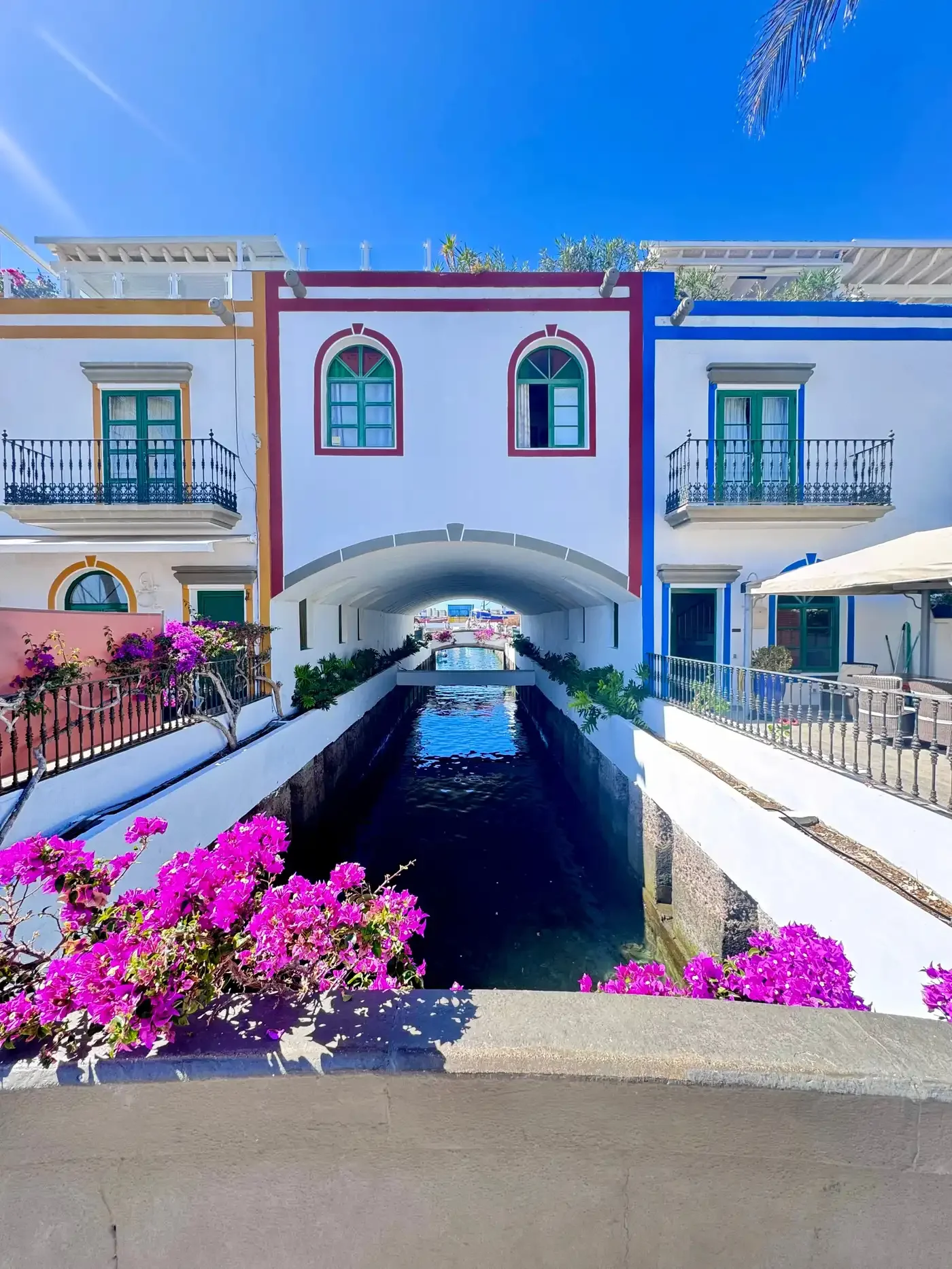
Gran Canaria's prettiest harbour earns its nickname "Little Venice" with canals, small bridges and whitewashed houses draped in bougainvillea. It's a real fishing port with a sheltered beach, a marina full of restaurants and a busy Friday market — and at its best in the evening, when the day-trippers have gone.
Harbour · Village · Beach · Dining Read our Puerto de Mogán guide →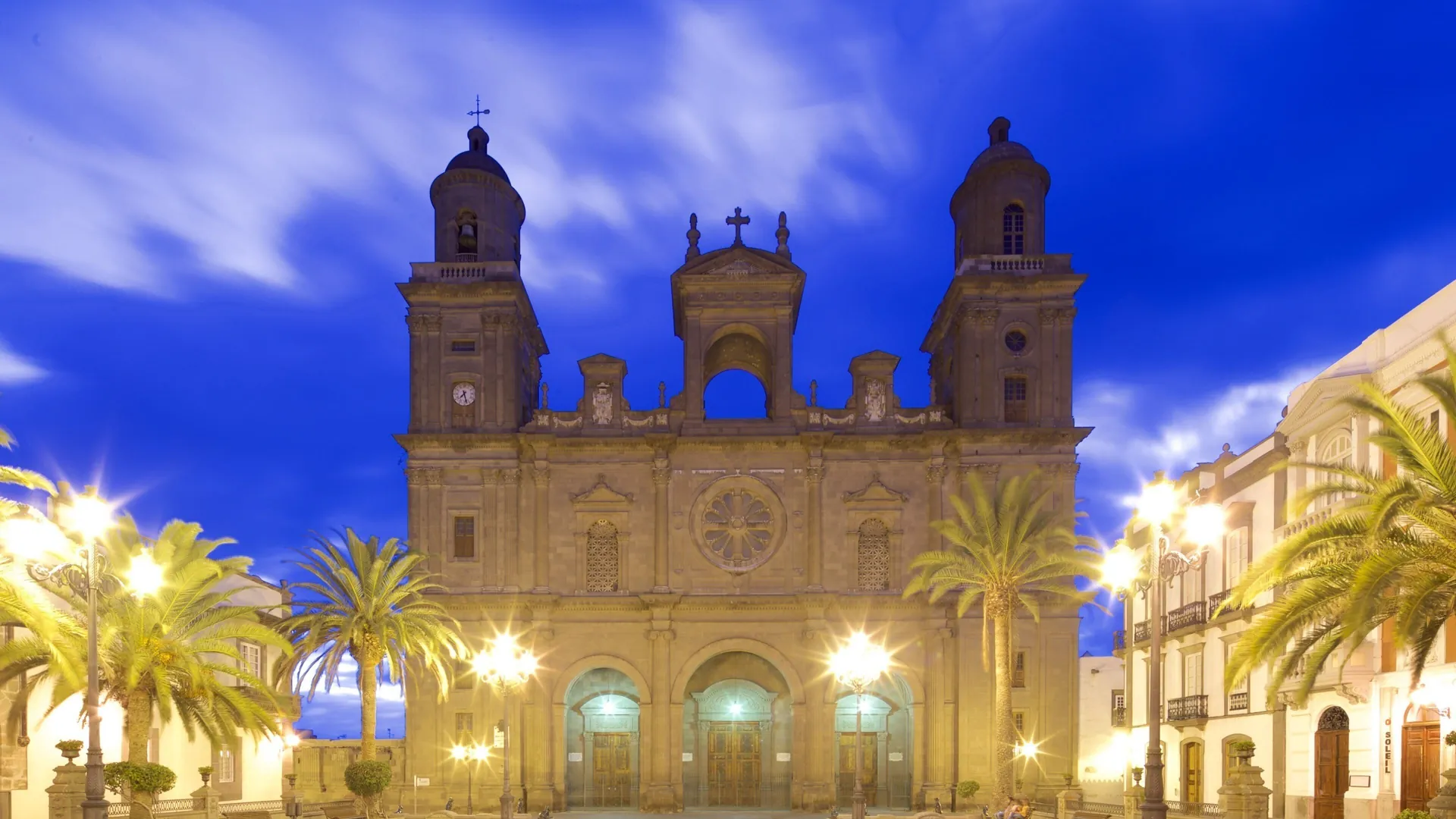
The founding quarter of Las Palmas, laid out after 1478 and protected as a historic site since 1973. Its cobbled streets lead to the Cathedral of Santa Ana and the Casa de Colón, where, according to tradition, Columbus stopped on his first voyage to the Americas in 1492. Merchant mansions, museums, markets and tapas bars make it feel genuinely Spanish, not touristic.
Colonial · Culture · History Read our Las Palmas city guide →Where to Stay
Three of our favourite places to stay on the island, all in the sunny south. For every budget and family option, see our full Gran Canaria hotel guide and our luxury hotels guide.
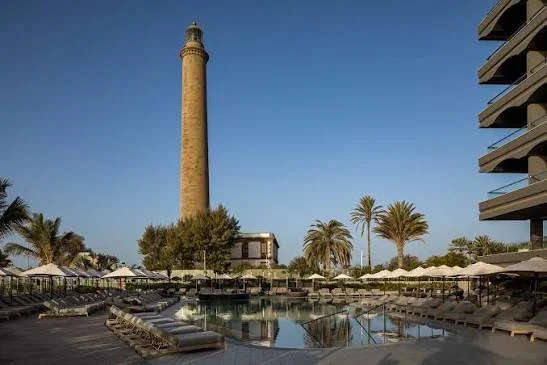 Beachfront Luxury
An adults-only five-star right beside the Maspalomas lighthouse, where the promenade meets the dunes. Light-filled contemporary rooms, a rooftop pool with sweeping sea views and the restaurants of Meloneras on the doorstep make it the most complete couples' address in the south.
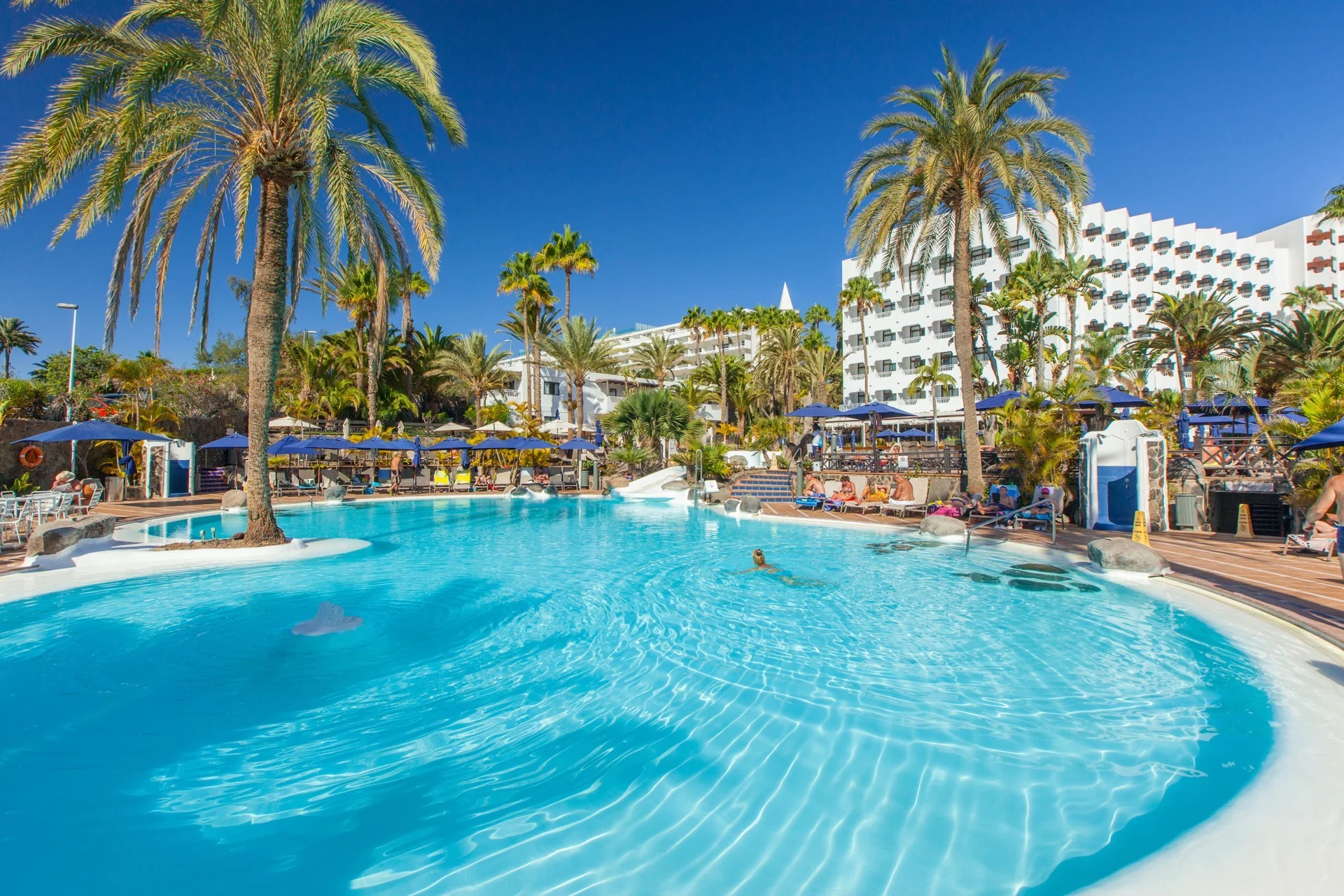 Beachfront Retreat
Directly on the sand in San Agustín, the quieter neighbour of Playa del Inglés, this adults-only hotel pairs genuine beachfront access with an all-inclusive plan. Two pools, balconies in every room and a calm, grown-up atmosphere a short drive from the Maspalomas dunes.
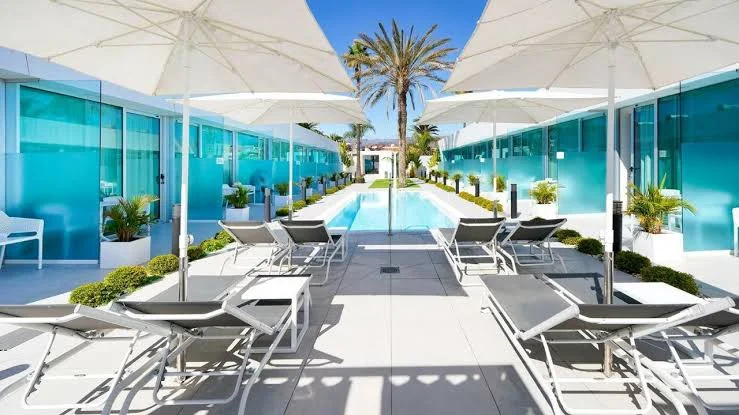 Intimate Boutique
Just 46 rooms in two low-rise buildings, each with its own heated pool, private terraces and a garden bar with Balinese beds — an intimate hideaway with some of the best guest ratings on the island, a short walk from the centre of Playa del Inglés.
Plan Your Trip
Gran Canaria Airport (LPA) sits on the east coast, around 25–30 minutes from Maspalomas and Meloneras and about 20 minutes from Las Palmas. Compare fares from your city below.
Curated Experiences
Three experiences that show Gran Canaria beyond the sunlounger. For every tour on the island, see our best excursions guide.
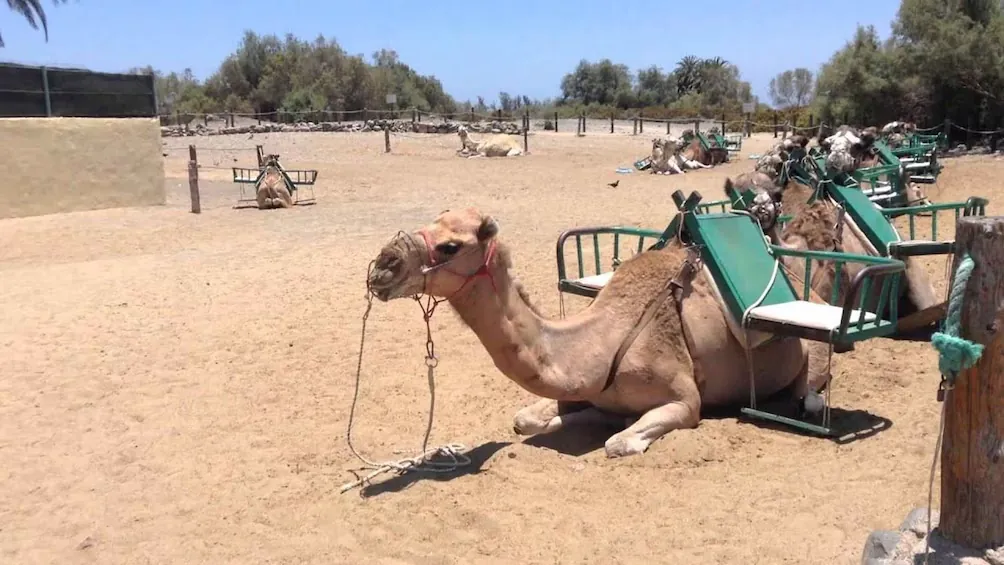
Cross the protected dunes on a camel, an e-bike or a two-seater electric scooter with a local guide, past the La Charca lagoon and the lighthouse to the Meloneras promenade. Rides stop in strong winds, so mornings and late afternoons are best.
Check Prices on Expedia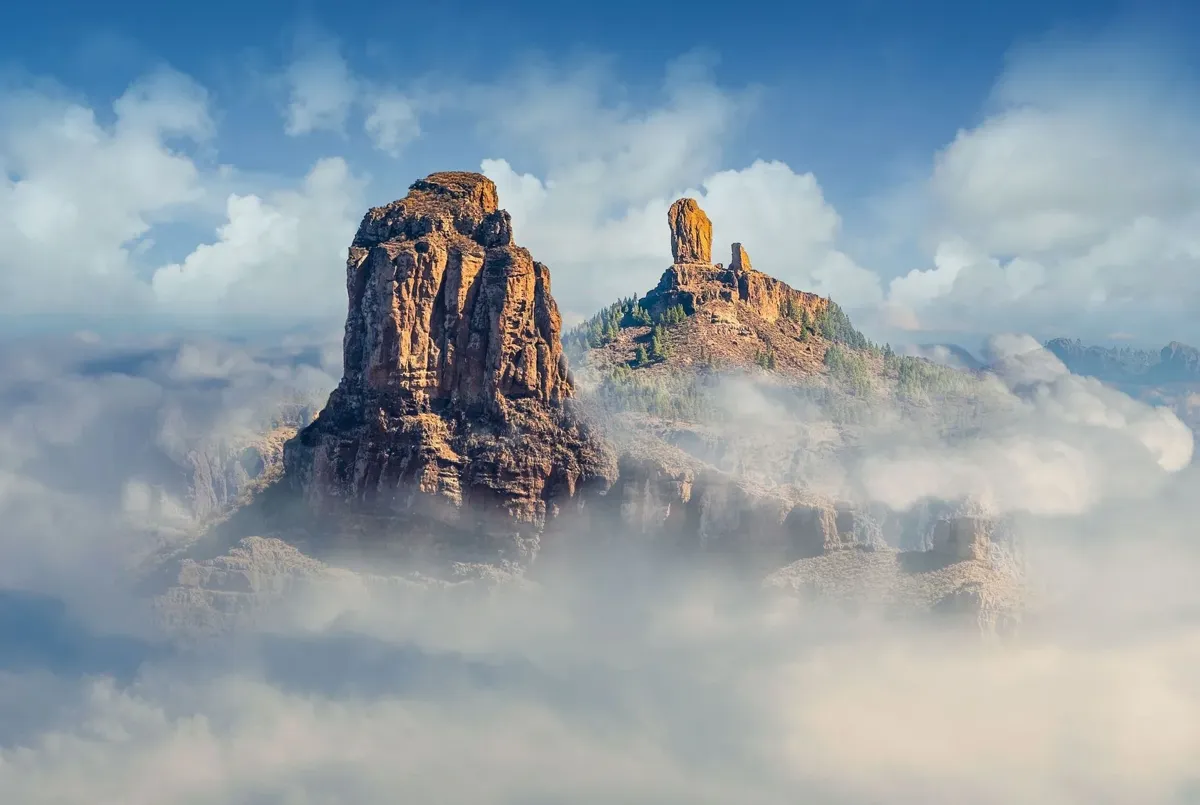
A local guide leads the short, well-made trail through the pine forest to the base of Roque Nublo, circling the rock for views over the Tejeda caldera, Roque Bentayga and, on clear days, Mount Teide on Tenerife — with a picnic, water and trekking poles included, and the access logistics handled for you.
Check Prices on Expedia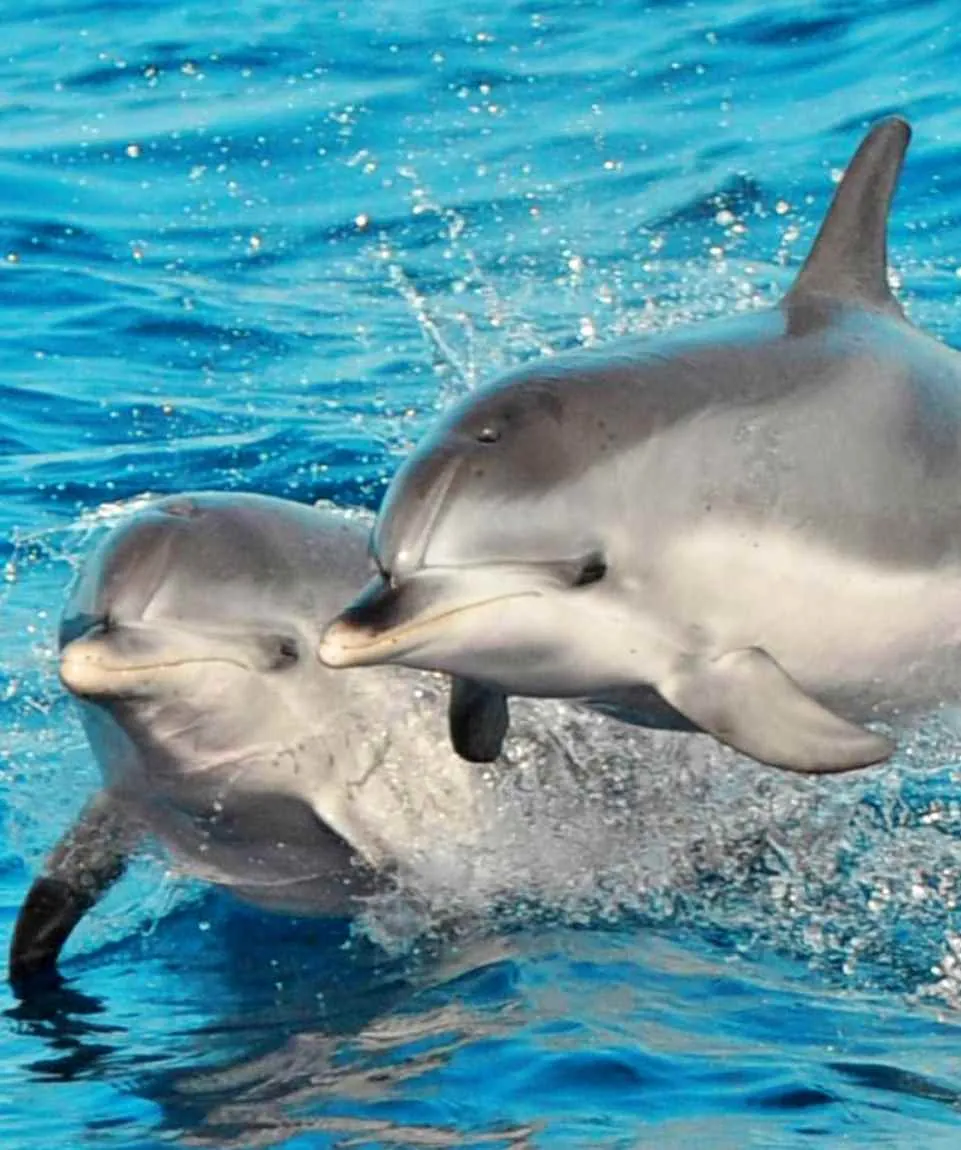
A 2.5-hour cruise along the south-west coast in search of dolphins and pilot whales, which live in these waters all year, with morning and afternoon departures from Puerto Rico\'s marina. Sightings are never guaranteed, but they\'re frequent.
Check Prices on ExpediaPlan Your Trip
Travel Tips