Lanzarote and Fuerteventura are neighbours — about 11 km of sea separate them, and the ferry takes around half an hour — but they feel like different worlds. Lanzarote is an island of black lava, volcanic craters and the art and architecture of César Manrique. Fuerteventura, twice its size, is an island of white dunes, golden beaches that run for kilometres and some of the most reliable wind in Europe. Both are dry, sunny all year and UNESCO Biosphere Reserves.
Which one is right for you depends on what you want from your trip. This guide compares them in seven categories, with a clear winner where there is one, and shows how easy it is to combine both. In the photo above, taken from the dunes of Corralejo in Fuerteventura, you can see the islet of Lobos and, behind it, the mountains of Lanzarote.
The Short Answer
Choose It For
Volcanic landscapes, Manrique's art and architecture, wine and a lot to see beyond the beach.
Choose It For
Long, empty beaches, dunes, windsurfing and kitesurfing, and space to switch off.
With a Week or More
Base yourself on one island and cross on the ferry for a day or two on the other.
Our Hotel Picks
Hand-picked hotels in Playa Blanca, Puerto del Carmen, Corralejo and Jandía.
At a Glance: The Head-to-Head
| Category | Lanzarote | Fuerteventura | Winner |
|---|---|---|---|
| Beaches | Papagayo coves, Famara, Playa Blanca | Corralejo dunes, Sotavento, Cofete, El Cotillo | Fuerteventura |
| Landscape | Lava fields, craters, black-sand vineyards | Dunes, desert plains, the Jandía mountains | Draw |
| Culture and architecture | César Manrique's houses, caves and gardens | Betancuria and traditional villages | Lanzarote |
| Watersports | Surfing at Famara and La Santa | World-class windsurfing and kitesurfing | Fuerteventura |
| Food and wine | La Geria volcanic wines, fresh fish | Majorero goat's cheese, fresh fish | Lanzarote |
| Families | More variety of things to do | Shallow, sheltered beaches and space | Draw |
| Peace and space | Compact, with more to see per kilometre | Twice the size, with far more empty coast | Fuerteventura |
Beaches: Fuerteventura Wins
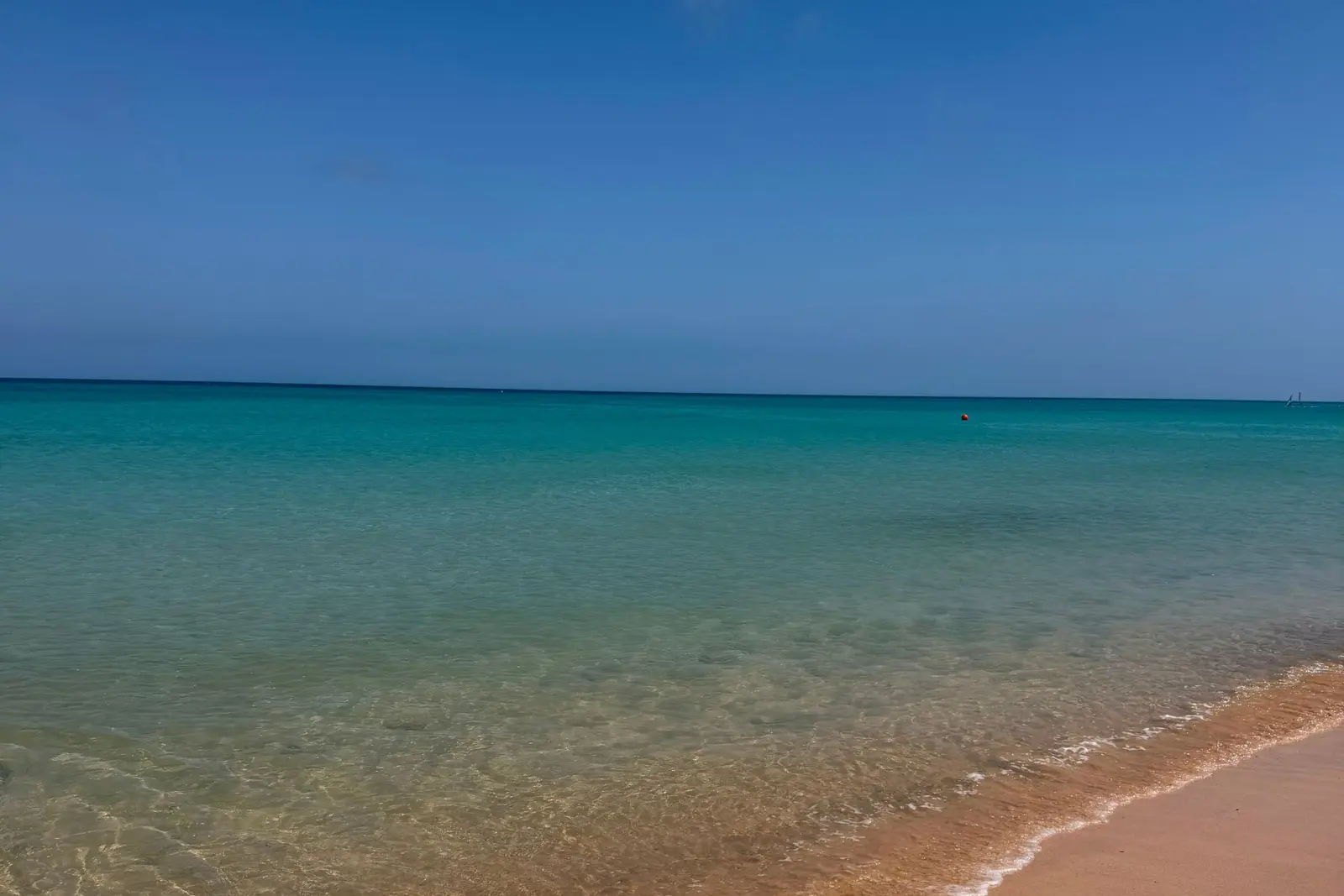
If beaches are your priority, choose Fuerteventura. In the north, the Corralejo dunes — protected as the Parque Natural de las Dunas de Corralejo — run down to wide, pale beaches facing Lobos and Lanzarote. In the south, the Jandía peninsula has some of the longest beaches in the Canary Islands: Sotavento, where a lagoon forms behind a sandbar at low tide, and the long sands of Playa del Matorral by Morro Jable. On the wild west side of the peninsula, Cofete stretches for around a dozen kilometres below the mountains, reached only by a dirt track. It's spectacular, but it has no lifeguards and dangerous currents, so it's for walking, not swimming. See our best beaches in Fuerteventura guide.
Lanzarote's beaches are fewer and smaller, but some are exceptional. The Papagayo coves near Playa Blanca have sheltered, turquoise water, Famara is a long surf beach below 600-metre cliffs, and Playa Grande in Puerto del Carmen is the island's most convenient resort beach. See our best beaches in Lanzarote and Papagayo beaches guides.
Landscape: A Draw
Both islands are spectacular, in completely different ways. Lanzarote's landscape is younger and more dramatic: the eruptions of 1730 to 1736 buried about a quarter of the island under lava, creating what is now Timanfaya National Park, and a second series in 1824 added more. The result is a world of black and red cones, frozen lava rivers and craters you can walk into — see our Timanfaya guide and best hikes in Lanzarote.
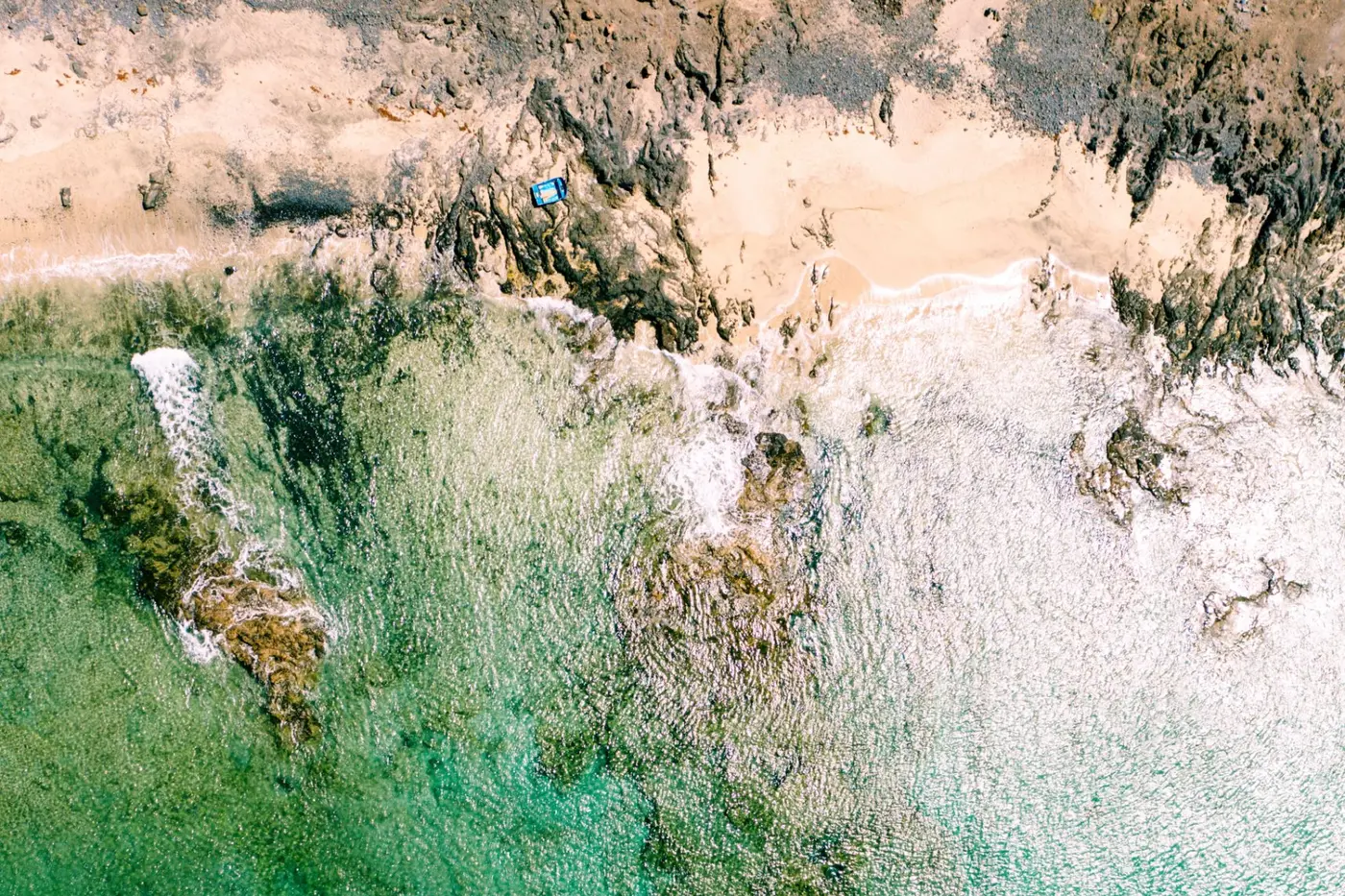
Fuerteventura is the oldest of the Canary Islands, and erosion has worn its volcanoes down into rounded hills and wide desert plains in shades of ochre and rust. The drive over the central mountains through Betancuria, the island's historic capital, and the views across the Jandía peninsula are among the best road trips in the archipelago. Lanzarote feels like another planet; Fuerteventura feels like the edge of the Sahara, which is less than 100 km away.
Culture and Architecture: Lanzarote, Clearly
Lanzarote has a visual identity unlike any other island in Spain, and much of it is the work of one man: the artist César Manrique, born in Arrecife in 1919. From the 1960s until his death in 1992, he campaigned to keep the island low-rise, whitewashed and free of billboards, and he created a series of sites that blend art into the volcanic landscape: the Jameos del Agua, a concert hall and pool inside a lava tube; the Mirador del Río, a viewpoint built into the cliffs; the Jardín de Cactus; and his own house in Taro de Tahíche, now the César Manrique Foundation, built into five volcanic bubbles.
Fuerteventura has a quieter heritage: Betancuria, founded in the early 15th century and the island's capital for more than four hundred years, old windmills, whitewashed churches and traditional villages in the interior. It's charming and worth a day, but it can't match Lanzarote for things to see.
Watersports: Fuerteventura
Fuerteventura is one of Europe's great destinations for windsurfing and kitesurfing. The trade winds blow steadily, especially from late spring to early autumn, and the island has spots for every level, from the flat water of the Sotavento lagoon, which has hosted world championship events for decades, to the waves of the north coast around Corralejo and El Cotillo. Surfing is excellent too. See our windsurfing and kitesurfing guide.
Lanzarote holds its own for surfing — Famara is the island's surf school beach, and La Santa has powerful reef breaks for experienced surfers — and it has good diving around Puerto del Carmen. But if wind is the reason for your trip, Fuerteventura wins.
Food and Wine: Lanzarote
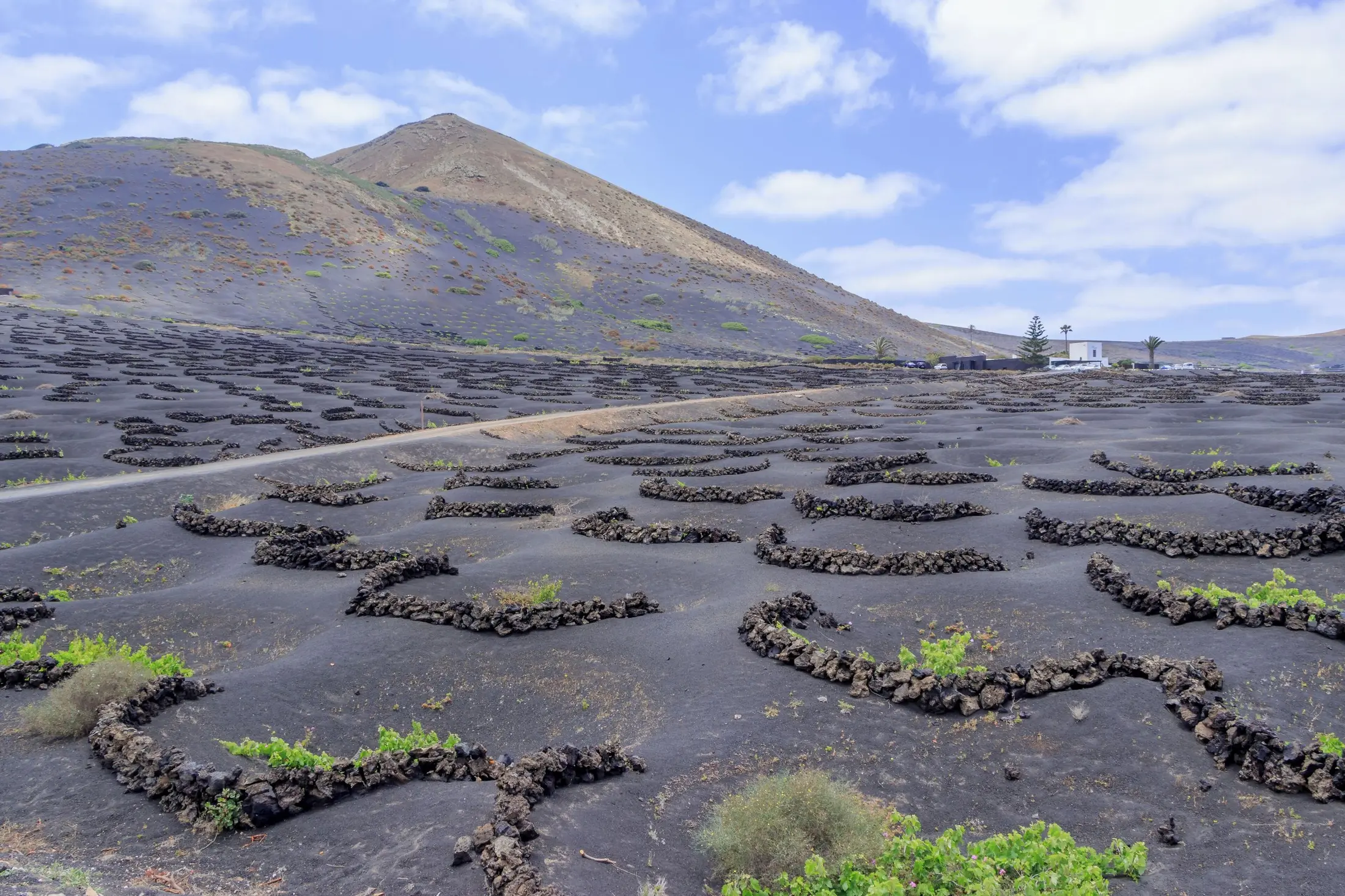
Lanzarote's volcanic wines are a reason to visit in themselves. In La Geria, vines grow in hollows dug into the volcanic ash and protected by semicircular stone walls, producing mineral whites from the Malvasía Volcánica grape. Bodegas such as El Grifo, founded in 1775, open their doors for tastings — see our Lanzarote wine route. Fuerteventura's great contribution is cheese: queso majorero, made with the milk of the island's goats and protected by a designation of origin. Both islands serve excellent fresh fish with papas arrugadas and mojo, and the best places are usually in the fishing villages rather than on the resort seafronts.
Families: A Draw
Both islands are safe, easy and well set up for families. Fuerteventura's long, shallow beaches, particularly in Corralejo and around Jandía, are ideal for young children, and the dunes are a natural playground. Lanzarote has more to do when children tire of the beach: the volcanic demonstrations in Timanfaya, the camels, the caves and the marine life of the Papagayo coves. As a rule of thumb, young children who just want sand and water will love Fuerteventura; older children who get bored easily will find more on Lanzarote.
Costs
Prices are similar on both islands, and both are good value compared with many Mediterranean beach destinations. Fuerteventura has a large supply of all-inclusive resorts, especially in Jandía and Costa Calma, which can make package holidays slightly cheaper. On Lanzarote, entrance fees to the Manrique sites and Timanfaya add up if you visit several, so a combined ticket is worth it. On both islands, booking flights and hotels early matters more than the island you choose — see our best time to visit Lanzarote guide for the cheapest months.
How to Combine Both Islands
Because the crossing is so short, combining the islands is easy. With a week, stay on one island and take a day trip to the other: from Playa Blanca, you can be walking on the beaches of Corralejo by mid-morning. With ten days or more, split your stay, with four or five nights on each. Check your hire car's conditions before taking it on the ferry; it's often simpler to cross as a foot passenger and hire a car on the other side. See our getting around Lanzarote guide for details.
Staying in Fuerteventura? You can do the trip the other way round: a mini cruise from Corralejo to the Papagayo coves of Lanzarote, or a catamaran to the islet of Lobos, a protected nature reserve that requires a free visitor permit — usually arranged by the boat operator. See our Lobos Island day trip guide.
Cross from Corralejo to swim in the turquoise coves of Lanzarote's Papagayo coast.
Sail from Corralejo to the islet of Lobos for walking, swimming and snorkelling.
Where to Stay on Each Island
Fuerteventura
Corralejo, in the north, is the best base for combining the islands — the ferry port is in town. Jandía, in the south, is the place for long beaches and all-inclusive resorts.
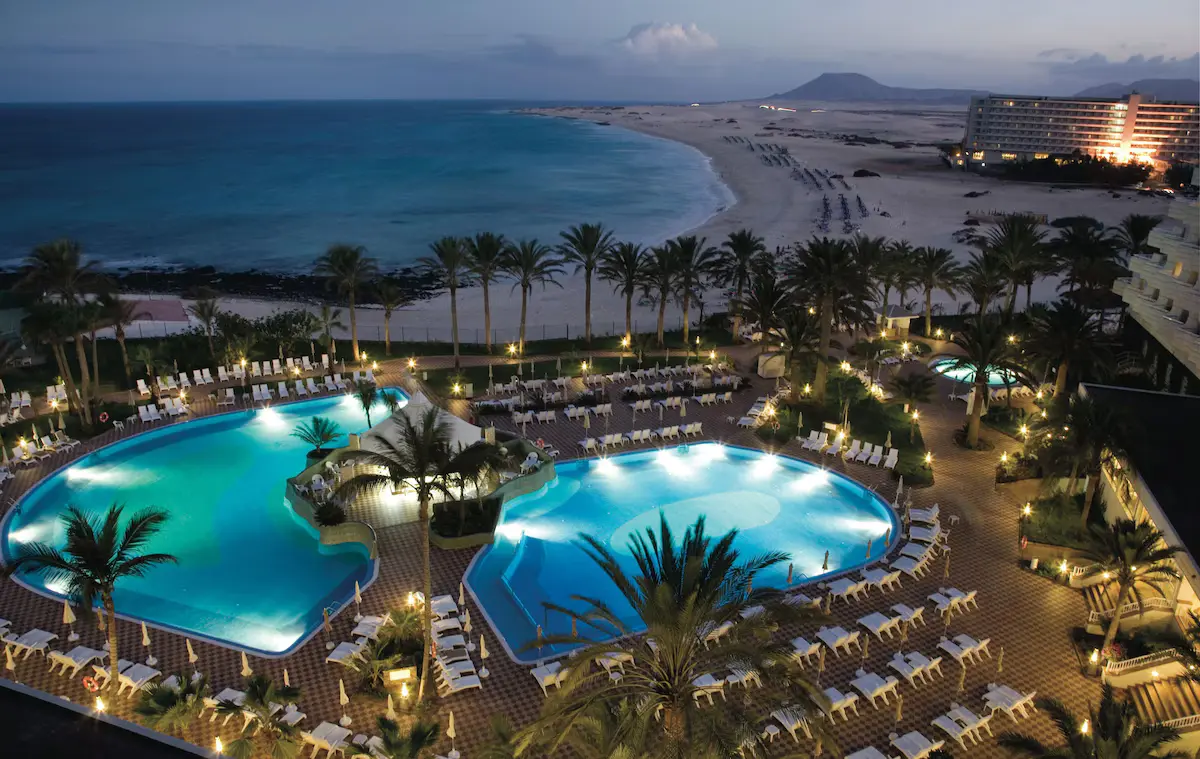
Hotel Riu Palace Tres Islas
Right on the beaches of the Corralejo dunes, with views of Lobos and Lanzarote.
Check Prices →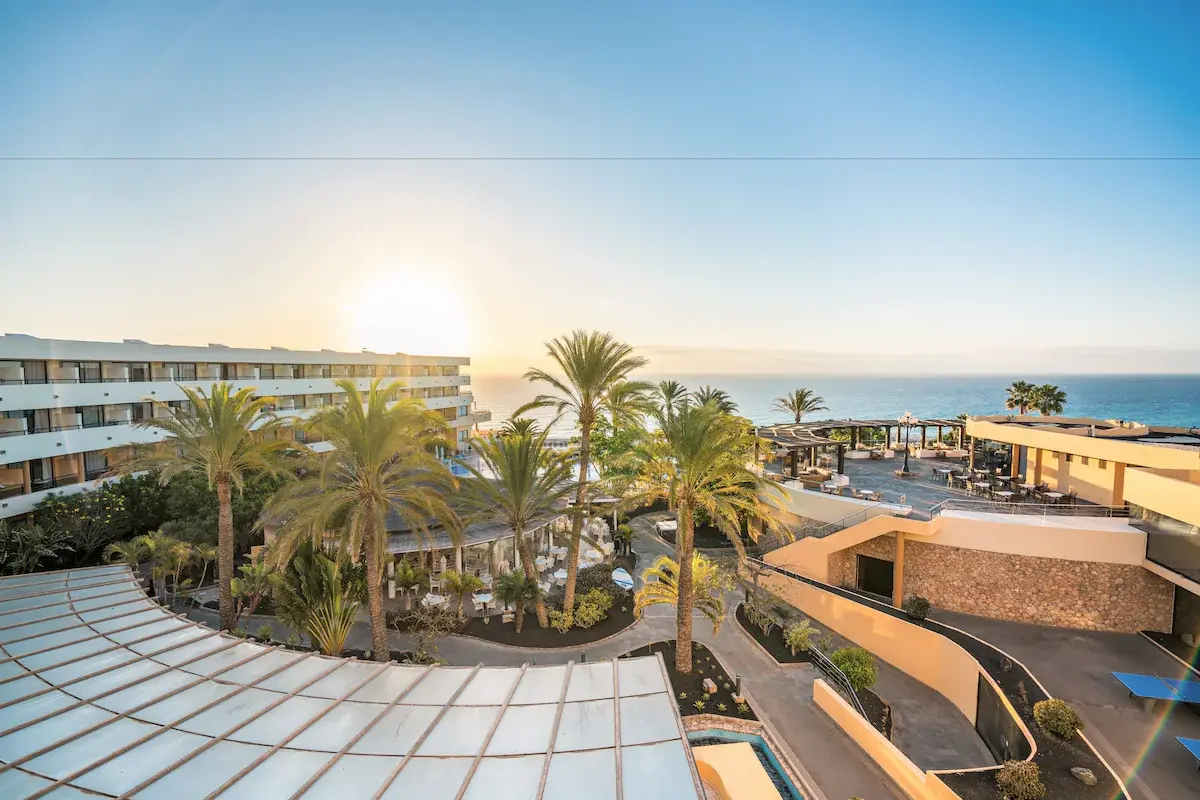
Barceló Corralejo Bay
An adults-only hotel on the seafront, close to the town and the ferry port.
Check Prices →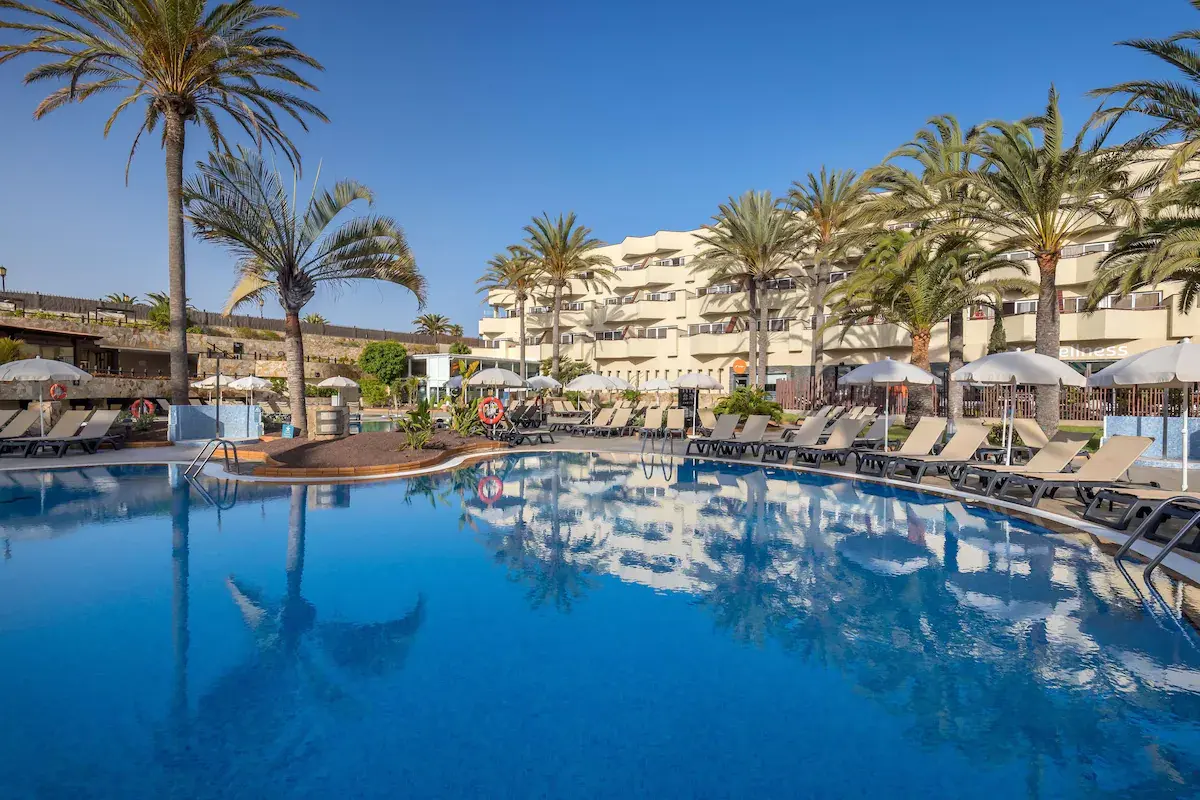
Iberostar Waves Playa Gaviotas
An all-inclusive resort near the long beaches of Jandía in the south.
Check Prices →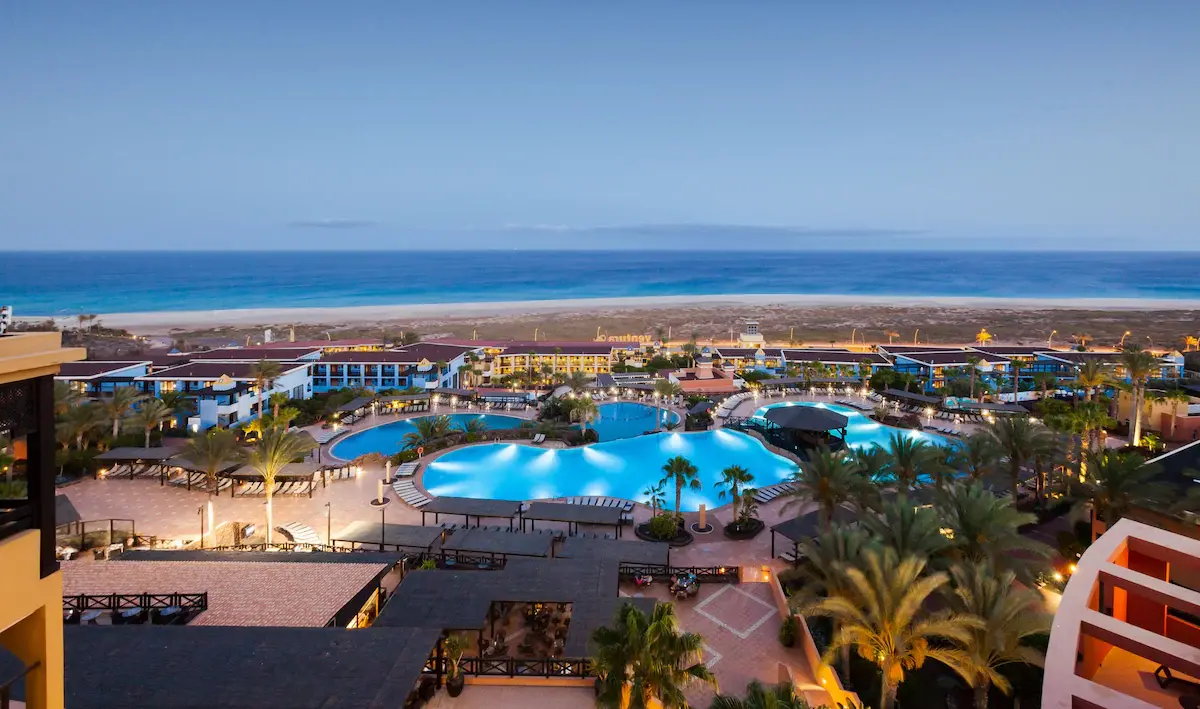
Occidental Jandía Playa
A large resort with several pools facing the beach of Jandía, near Morro Jable.
Check Prices →Lanzarote
Playa Blanca, in the south, is the best base for combining the islands — the ferries to Corralejo leave from its harbour. For more choice, see our best hotels in Lanzarote guide.
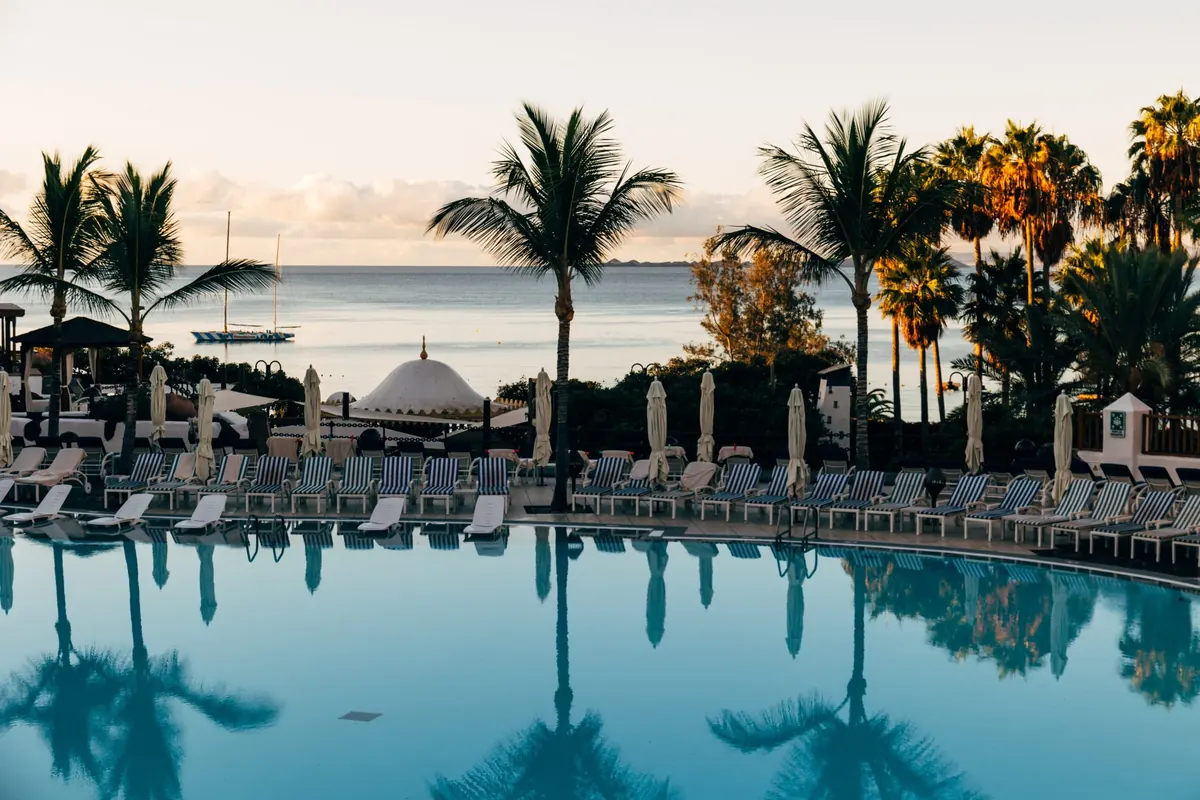
Princesa Yaiza Suite Hotel Resort
A grand resort on Playa Dorada, a short drive from the Corralejo ferry.
Check Prices →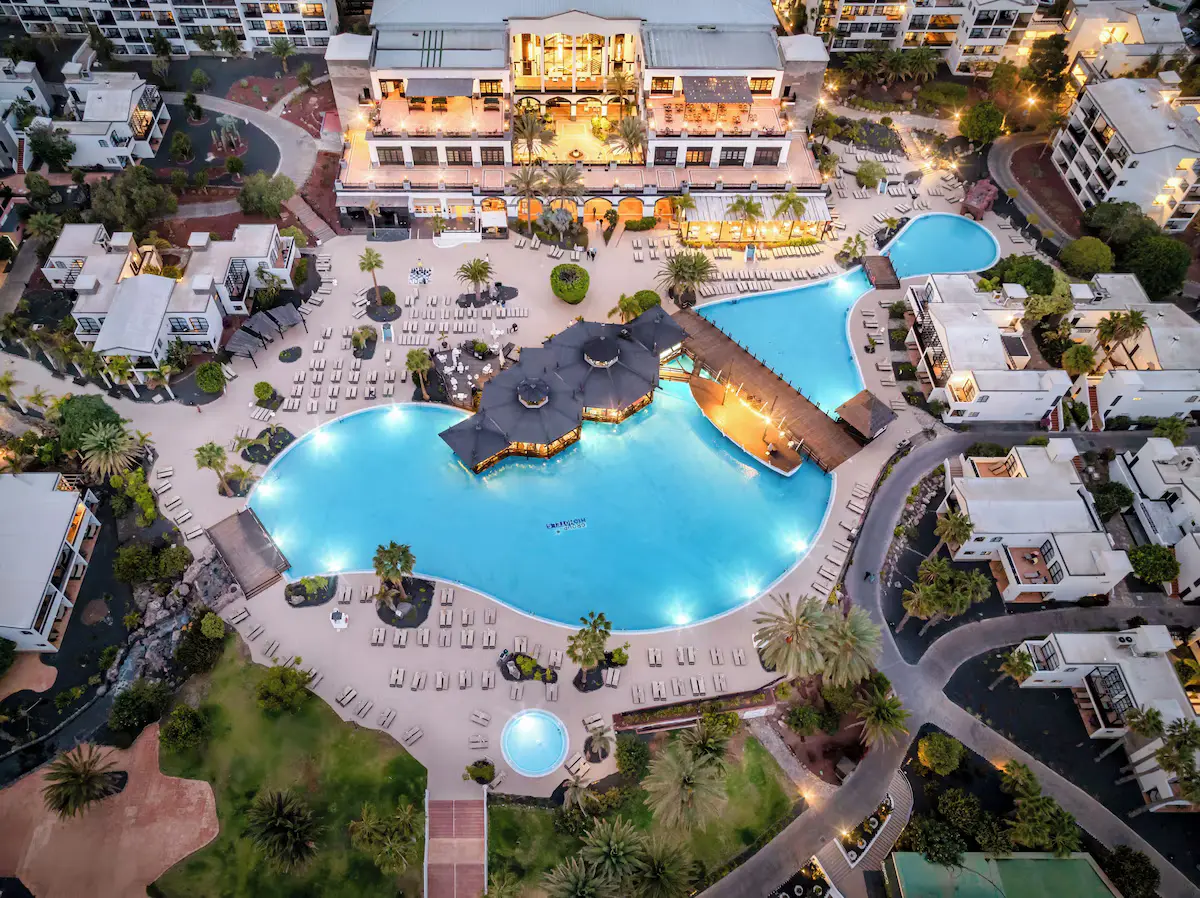
H10 Rubicón Horizons Collection
In Playa Blanca, convenient for both the Papagayo beaches and the ferry.
Check Prices →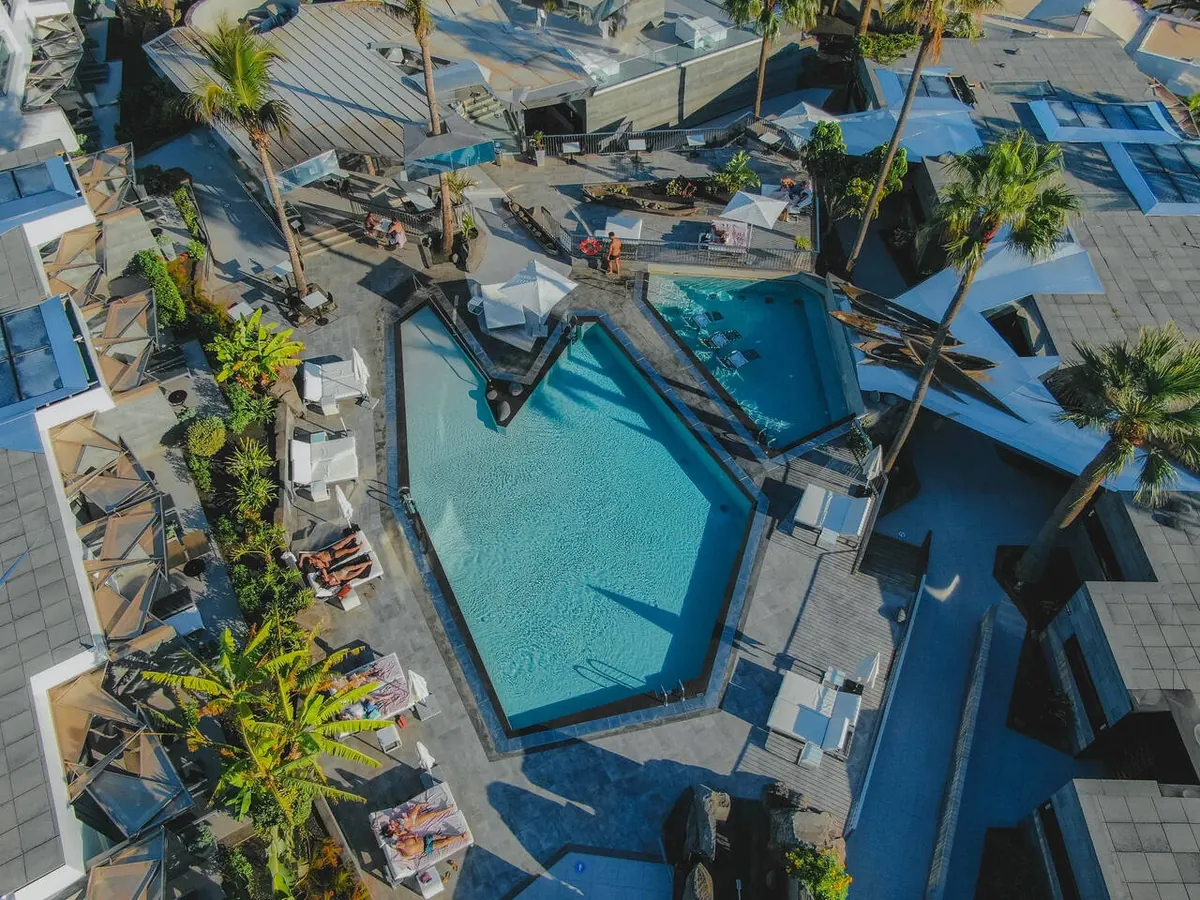
La Isla y el Mar
A design boutique hotel for couples, central for touring the whole island.
Check Prices →The Best of Lanzarote in a Day
Staying in Fuerteventura with only a day on Lanzarote, or don't want to drive? These tours cover the volcanic highlights.
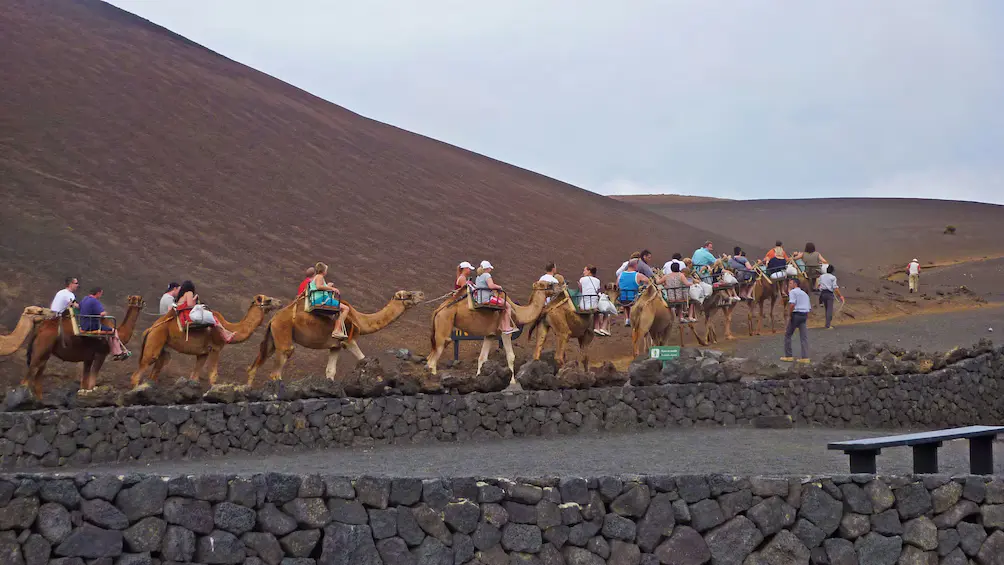
Timanfaya Volcanoes and Caves
Timanfaya and the lava caves of the north in one day.
Check Prices →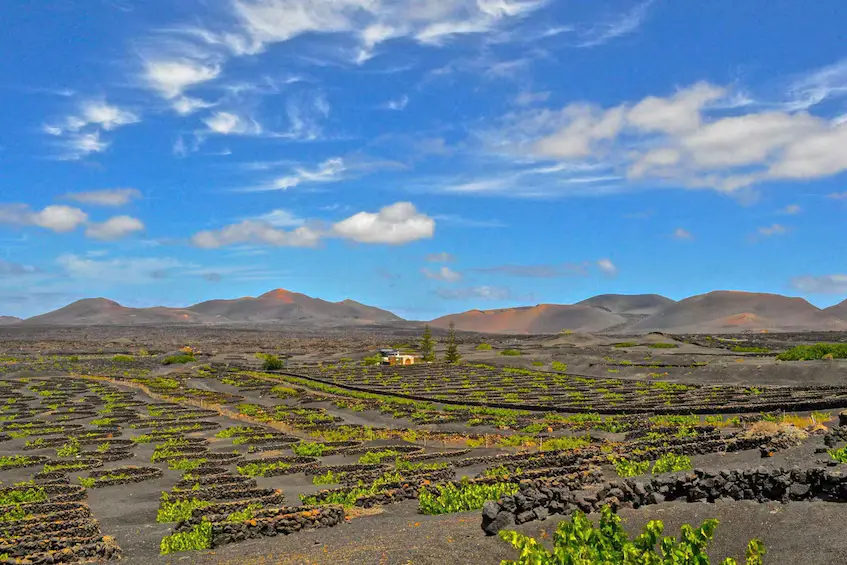
Grand Tour of Lanzarote
Timanfaya, Manrique's art, an aloe vera farm, lunch in Yaiza and a wine cellar.
Check Prices →Which Island Should You Choose?
Choose Lanzarote if you…
Love volcanic landscapes, art and architecture; want wine, good food and plenty to see beyond the beach; are a couple or travelling with older children; or want a compact island where everything is within an hour's drive.
Choose Fuerteventura if you…
Want the best beaches above all; windsurf, kitesurf or want to learn; are travelling with young children who just want sand and shallow water; or want space, silence and empty coastline.
Staying Connected
A Yesim eSIM works on both islands from the moment you land, with no roaming worries on the ferry.
Two Airports
Lanzarote (ACE) and Fuerteventura (FUE) both have direct flights from across Europe. You can fly into one and out of the other.
Frequently Asked Questions
Our Honest Verdict
Lanzarote for variety, Fuerteventura for beaches
Lanzarote is the more interesting island: its volcanic landscapes, Manrique's art and its wines give you something new every day. Fuerteventura is the better beach island, with more sand, more space and more wind than anywhere else in the Canaries.
If you can't decide, you don't have to: stay in Playa Blanca or Corralejo and take the 30-minute ferry across. Seeing the two islands together is the best way to understand both.
For the bigger picture, see our which Canary Island is best guide, our Lanzarote island guide and our Fuerteventura island guide.