Gran Canaria · Off the Beaten Path

Hidden Gems of Gran Canaria

Past Maspalomas and the Puerto Rico resort strip, Gran Canaria hides a cave-restaurant gorge, a pine-forested highland lake, and a beach reachable only on foot or by boat. Seven places most tourists never find.

📍 7 Hidden Gems 🗺️ Across the Whole Island 🧭 Best For: Second-Time Visitors

Most first-time visitors see the same version of Gran Canaria: Maspalomas' dunes, a Puerto Rico or Puerto de Mogán marina, and maybe a bus trip up to Roque Nublo for the postcard photo. It's a genuinely good version of the island, and if it's your first trip, our 3 days in Gran Canaria itinerary covers exactly that route. But Gran Canaria has a second layer underneath the resort brochures — a wilder, older, more volcanic side that most package holidays never touch, built from cave-village gorges, a highland reservoir ringed by pine forest, and a beach at the island's remote western edge that most visitors will never even hear of. This guide is our honest list of seven hidden gems worth the detour, most of which reward a hire car and a bit of patience, and none of which you'll find queued up outside a hotel excursion desk. If you're still deciding whether Gran Canaria is the right island for this kind of trip at all, our guide to the best island in the Canary Islands is worth reading first, and for the full cost picture before you commit to extra days of exploring, see how much a Canary Islands holiday costs.

A quick note on what "hidden" means here: none of these places are secret in the sense of being unknown, and several appear in guidebooks. What they share is genuine distance from the resort belt, in kilometres and in atmosphere — nowhere on this list has a swim-up bar, and one entry requires a proper hike or a boat to reach at all. That effort is precisely the point. If you want the very different halves of the island explained properly before you start planning where to base yourself, our Gran Canaria South vs North comparison lays out the climate and character differences that make the island's interior and north coast feel like an entirely different place from the south coast resort strip.

How to use this guide: Each entry below has an at-a-glance box covering zone, drive time from the south coast, and who it suits, so you can build your own route rather than trying to see all seven in one trip. Jump straight to the quick decision guide if you only have time for two or three stops.

🚕 Landing before you start exploring?

A pre-booked private transfer gets you straight to your hotel first — fixed price, driver waiting at arrivals, no taxi queue to slow down day one.

Book Transfer

Why Gran Canaria's Hidden Gems Are Worth the Detour

Gran Canaria is sometimes nicknamed a "miniature continent" for good reason — a single island barely 50 km across that packs in Saharan-style dunes, a laurel-forest interior, pine-covered highlands above 1,800 metres, and a north coast that feels closer to the Atlantic swells of Portugal than to the sunbed rows of the south. Almost everything on this list sits on that wetter, greener, more dramatic side of the island, in the mountainous centre or along the wilder north and west coasts, which is exactly why it looks nothing like the postcards of Maspalomas.

The other reason these places stay relatively quiet is access. Several sit at the end of winding mountain roads that discourage coach tours, one requires a walk of several hours, and another is reachable only by boat or a full day's hike. That built-in friction is a genuine advantage for travellers willing to make the effort — you'll regularly have viewpoints, gorges and even beaches largely to yourself in places that would be overrun if they were a five-minute walk from a car park.

There's also a cultural layer to this list that's easy to miss on a standard beach holiday. Gran Canaria was one of the last of the seven islands to fall to Spanish conquest in the late 15th century, and its interior still carries the physical traces of that pre-Hispanic Guanche past — cave dwellings, granaries carved into cliff faces, and settlements tucked into ravines that were chosen precisely because they were hard to find. Several entries on this list sit directly on that older layer of the island's history, which gives the detour a depth that a resort pool simply can't offer, however good the weather.

1. Barranco de Guayadeque

1East-Central Gran Canaria · Cave-Village Gorge
ZoneBetween Agüimes and Ingenio, east-central Gran Canaria
Drive from the south~35–45 minutes
AccessPaved road into the ravine, optional hike further up
Best forCulture lovers, cave-restaurant dining, photographers

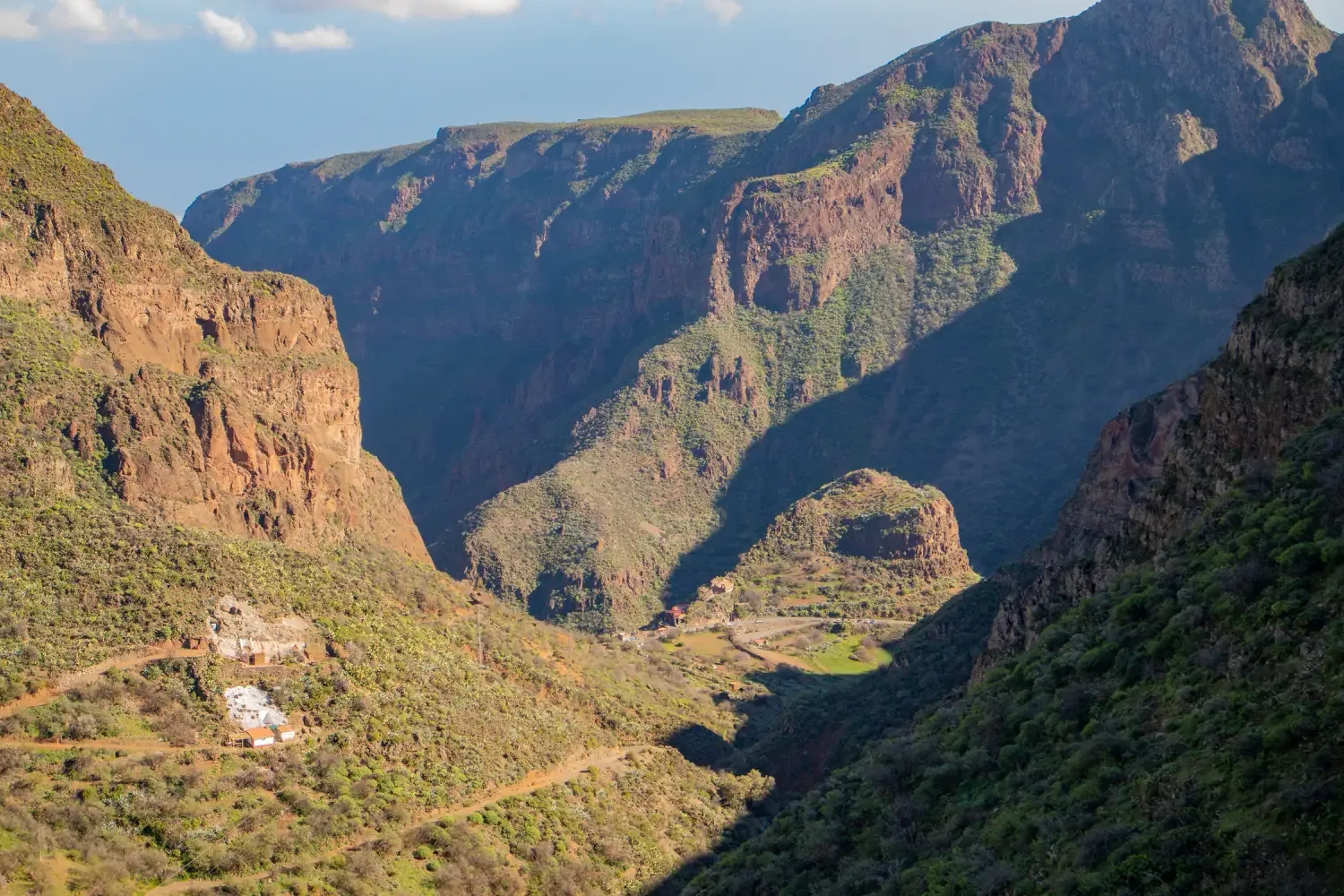
Guayadeque is a deep volcanic ravine cut into the island's eastern flank, and it's easily the most atmospheric spot on this entire list. Cave dwellings line both sides of the gorge, some abandoned, some still lived in, and a scattering of restaurants have been carved directly into the rock, serving hearty Canarian stews and grilled meats in dining rooms with volcanic walls and ceilings. A tiny cave chapel, the Ermita de San Bartolomé, sits partway up the ravine and is still used for services today. The whole valley has a genuinely pre-Hispanic feel that's difficult to find anywhere else on an island this developed.

Drive as far as the road allows and you'll reach a small interpretation centre explaining the gorge's Guanche history; from there, marked trails continue on foot deeper into the ravine for those wanting more than a lunch stop. Getting here comfortably really does need your own transport, since the gorge sits well off any main bus route — our getting around Gran Canaria guide covers hire car logistics if you haven't sorted transport yet.

Timing matters more here than at almost any other entry on this list. Arrive around midday and you'll be sharing the cave restaurants with coach parties from the south coast; arrive at 11am or push your visit to a late, lingering lunch at 2:30pm instead, and the gorge settles into something closer to its true character — quiet, a little dusty, and genuinely timeless. Combine it with a morning in Agüimes' old town on the way in, since the two sit only a few minutes apart and share the same unhurried, distinctly un-resort atmosphere.

🚗 Driving Gran Canaria's interior roads?

Guayadeque's approach roads are narrow and winding — a compact hire car makes the mountain driving considerably less stressful.

Compare Cars

2. Presa de Las Niñas & Soria Reservoir

2Southern Highlands · Pine-Forest Reservoir
ZoneSouthern highlands, near San Bartolomé de Tirajana
Drive from the south~50–60 minutes
AccessPaved mountain road, easy lakeside walking trails
Best forHikers, picnics, escaping the coastal heat

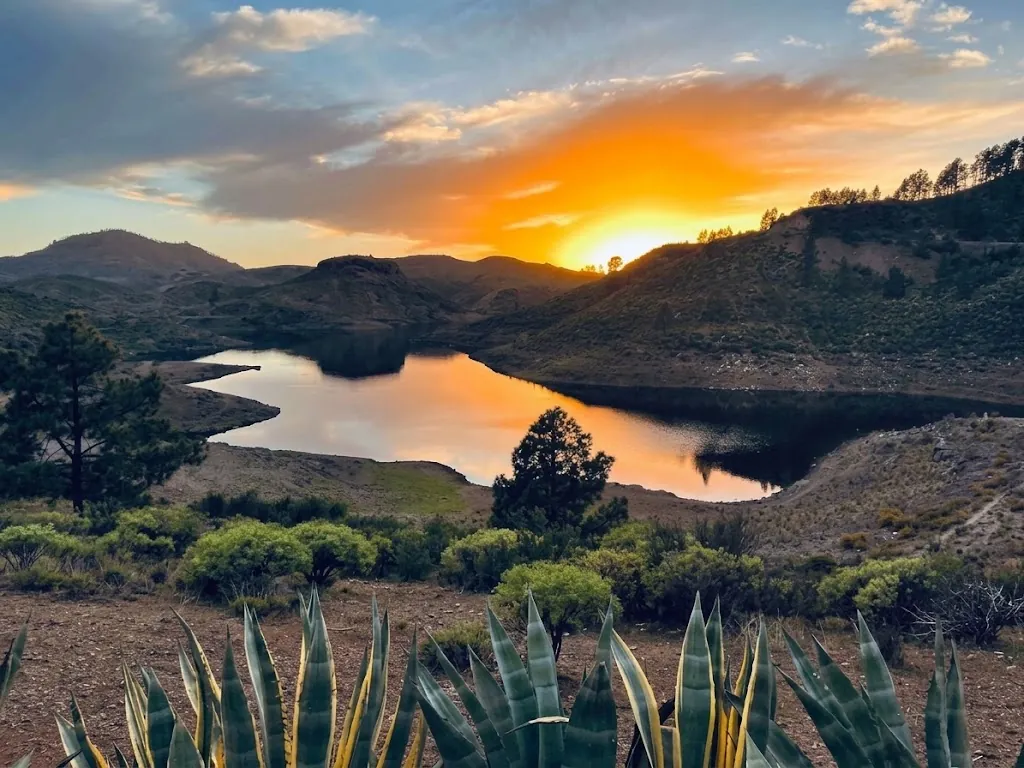
Few visitors realise Gran Canaria's interior hides a genuine mountain lake district. The Presa de Las Niñas and the neighbouring Presa de Soria are two reservoirs tucked into a valley of Canary pine forest at over 800 metres, and the contrast with the dry, cactus-studded south coast just an hour's drive away is almost disorienting. Gentle trails circle both reservoirs, shaded by pines that release a genuinely resinous scent in the midday heat, and the water itself takes on a deep, almost alpine green depending on the season and rainfall.

It pairs naturally with a day exploring the wider highlands, since the road up from here continues toward Tejeda and the plateau beneath Roque Nublo — see our dedicated Roque Nublo hiking guide for how to combine the two, and our broader best hikes in Gran Canaria guide for other interior trails worth adding to the same day. Bring a picnic; there's little in the way of formal facilities here, which is precisely why it stays so quiet.

3. Fataga, the Valley of a Thousand Palms

3South-Central Highlands · Historic Hamlet
ZoneFataga ravine, inland from San Bartolomé de Tirajana
Drive from the south~25–35 minutes from Maspalomas
AccessEasy — paved road, small village centre
Best forEasiest win on this list, families, short-time visitors

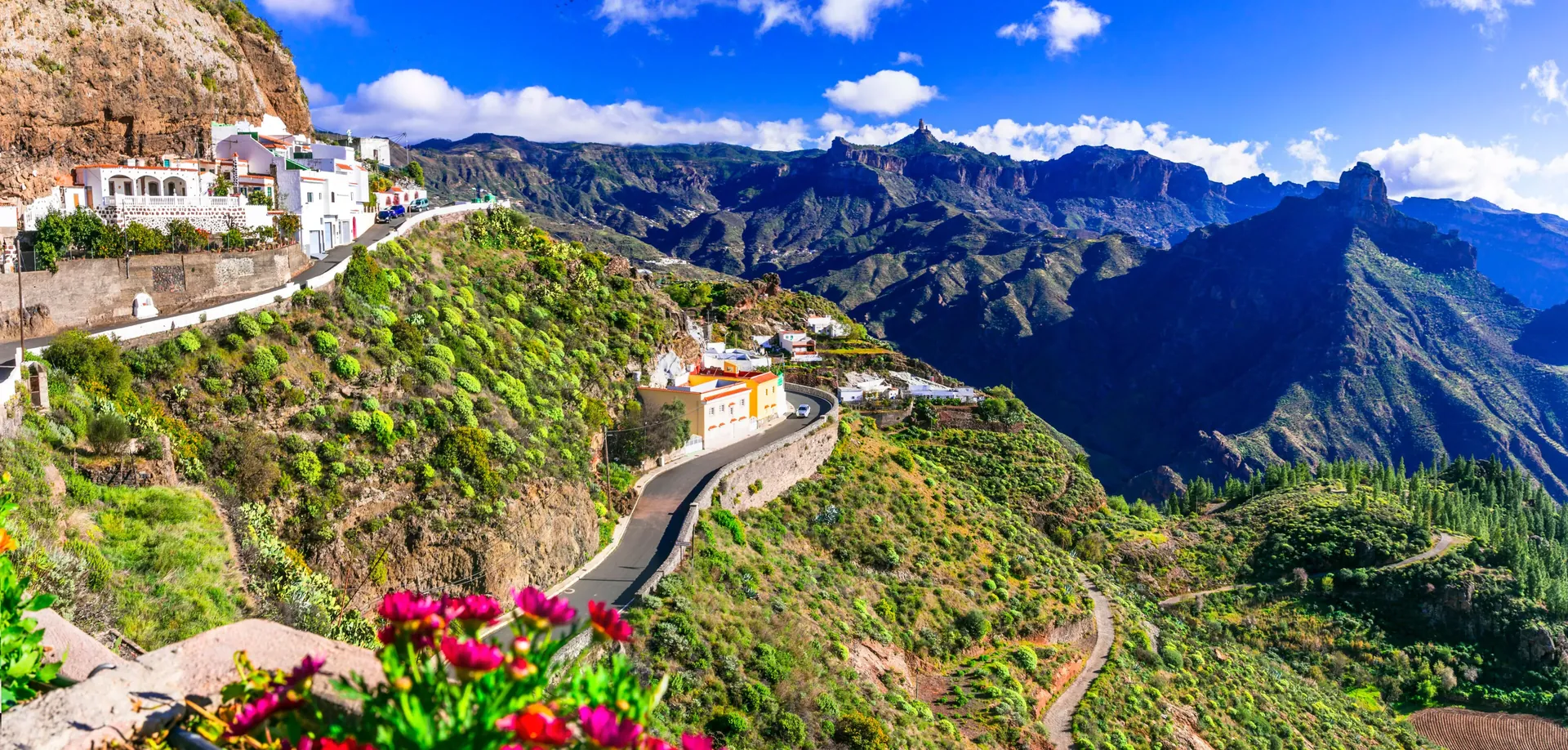
Fataga is proof that a genuine hidden gem doesn't always require hours of driving. A tiny whitewashed hamlet of stone houses and narrow lanes perched above its own palm-filled ravine, it sits barely half an hour inland from the Maspalomas resort strip, yet feels like an entirely different island. The valley below the village, thick with thousands of date palms, gives Fataga its nickname and makes for a genuinely striking viewpoint from the roadside miradores on the way in.

The same road continues on toward Puerto de Mogán on the south-west coast, making Fataga an easy add-on to a day trip in that direction — our full Puerto de Mogán guide covers that side of the island in depth. A couple of simple local restaurants serve goat stew and fresh cheese with views straight down the ravine, and the village rarely sees more than a handful of visitors at any one time outside the middle of the day.

Park at either end of the small main street and walk the rest — Fataga is compact enough that a slow half-hour on foot covers the whole village, including the little church square and the handful of craft shops selling local ceramics and embroidery. The real draw, though, is simply pulling over at one of the roadside miradores on the GC-60 just before or after the village, where the full sweep of the palm-lined ravine opens up below in a way that photographs rarely do justice.

🎭 Prefer a guided highlands excursion?

WeGoTrip's interior day trips cover Fataga, the highland reservoirs and the central mountains with a local guide handling the route.

Browse Excursions

4. Playa de Güigüí

4West Coast · Remote Boat-or-Hike Beach
ZoneFar west coast, within the Güigüí Natural Reserve
Drive from the south~50–60 minutes to the trailhead, then hike or boat
Access3–4 hour hike each way, or a boat trip from Puerto de Mogán
Best forSerious hikers, boat-trip travellers wanting real isolation

Güigüí is the single hardest entry on this list to reach, and arguably the most genuinely hidden of all seven: a wild black-sand beach backed by sheer volcanic cliffs on Gran Canaria's remote western coast, with no road access whatsoever. Reaching it on foot means a demanding three-to-four-hour hike each way through the Güigüí Natural Reserve, dropping steeply through a landscape of giant euphorbia and volcanic scree toward the sea. The alternative — and the one most visitors actually take — is a boat trip along the dramatic western cliffs, most commonly departing from the harbour at Puerto de Mogán.

For a wider comparison of which beaches actually suit swimming safely and easily, our best beaches in Gran Canaria guide covers the calmer, more accessible options elsewhere on the coast — Güigüí is emphatically not one of them, and that untouched isolation is exactly the point.

Whichever way you arrive, come prepared: there are no facilities of any kind at Güigüí, no shade beyond the cliffs themselves, and mobile signal disappears almost entirely once you drop into the reserve. Hikers should carry more water than feels necessary and start early to avoid the return climb in the heat of the afternoon; boat travellers should simply enjoy the fact that this is one of the very few Gran Canaria beaches most residents themselves have never set foot on.

5. Cenobio de Valerón

5North Coast · Ancient Troglodyte Granary
ZoneNear Guía, north coast, within reach of Las Palmas
Drive from the south~55–65 minutes
AccessEasy — roadside visitor centre, short walk to the site
Best forHistory lovers, archaeology fans, easy north-coast add-on

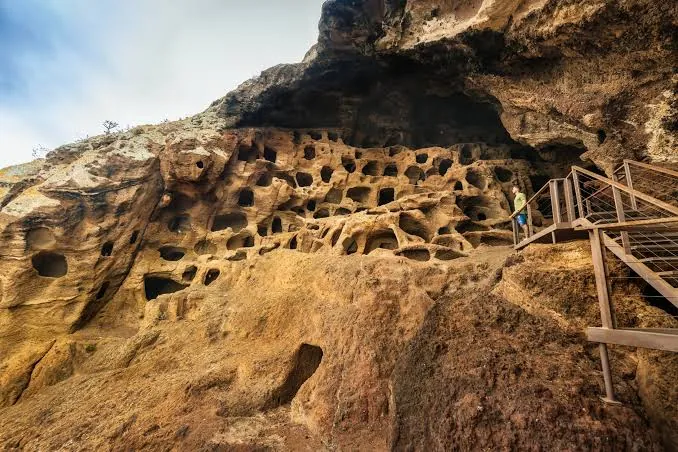
Cenobio de Valerón is one of the most important pre-Hispanic archaeological sites in the Canary Islands, a honeycomb of nearly 300 chambers carved into a volcanic cliff face and used by the island's original Guanche inhabitants as a communal granary. Seen from below, the cliff looks almost like a vast stone apartment block, and a short, well-maintained path leads up to the site itself with information panels explaining its likely use and construction. It rarely appears on standard resort excursion lists despite being a genuine highlight for anyone interested in the island's history before the Spanish conquest.

Because it sits on the north coast close to Guía and Gáldar, Cenobio de Valerón pairs naturally with a day based in or around the capital — our Las Palmas de Gran Canaria city guide covers the wider north-coast area in far more depth and makes a sensible base if this side of the island is your priority.

6. Firgas, the Town of Water

6Northern Highlands · Historic Water Town
ZoneNorthern interior, above Las Palmas
Drive from the south~65–75 minutes
AccessEasy — small town centre, good parking
Best forFamilies, short leisurely stops, cooler highland air

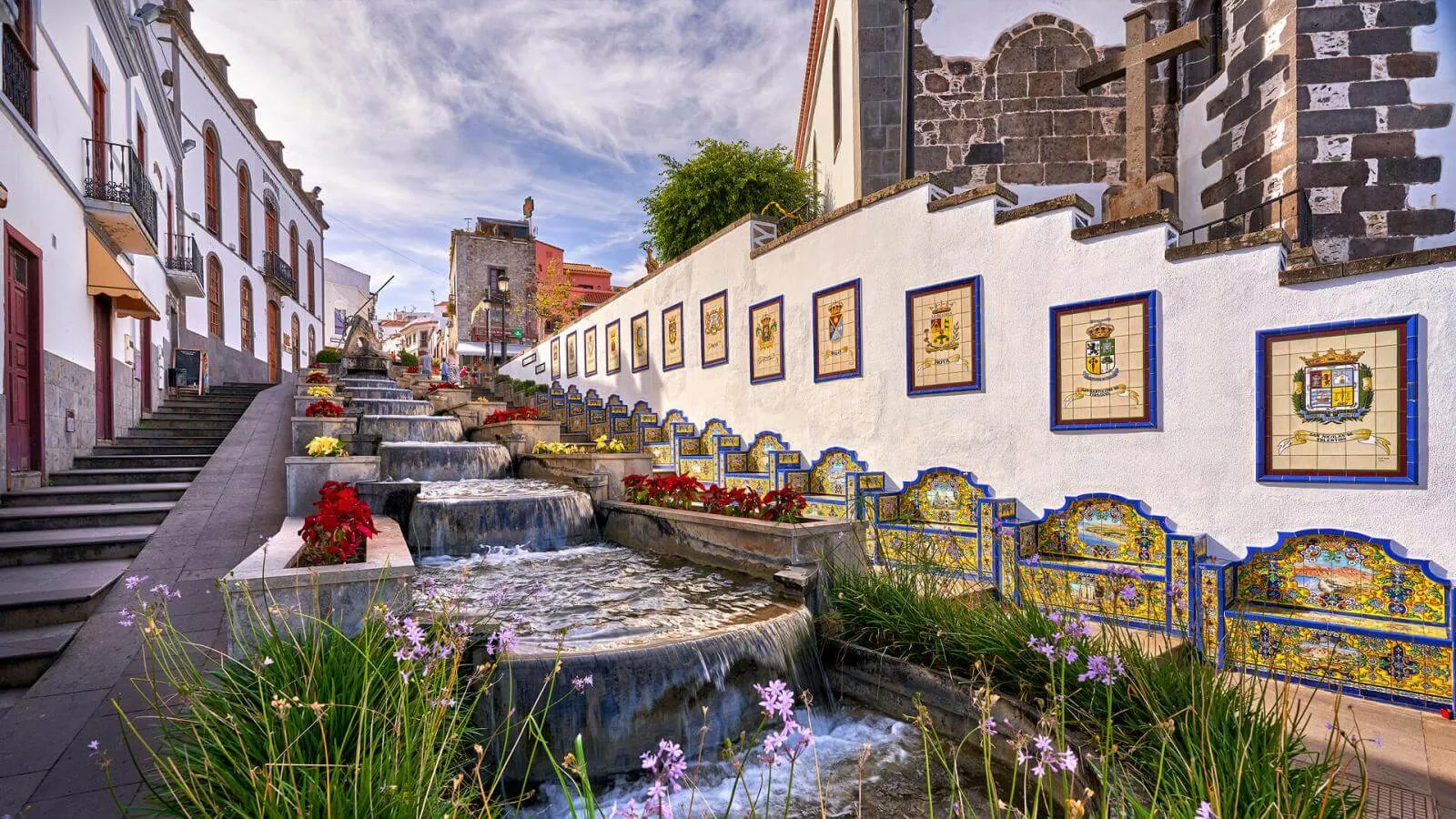
Firgas is best known across the Canary Islands for the sparkling mineral water bottled under its name, and the town centre celebrates that heritage with a genuinely charming tiled street — the Paseo de Gran Canaria — lined with ceramic panels depicting the island's municipalities, all fed by a small cascading water feature running down its centre. The wider plaza and church square are quiet, well kept, and entirely free of the tourist infrastructure found elsewhere on the island.

Sitting in the cooler, greener northern highlands rather than the dry south, Firgas is a good illustration of just how different the two halves of Gran Canaria really are — our Gran Canaria South vs North comparison covers this contrast properly if you're still deciding where to spend most of your trip. It's an easy, low-effort stop to combine with Cenobio de Valerón or a wider highlands loop.

Stop for a coffee on the main plaza and you'll likely notice locals filling bottles from the public fountain near the tiled walkway — the water really is drawn from the same natural spring that supplies the bottling plant, and it's a genuine point of pride for residents. Fifteen or twenty unhurried minutes here is usually enough, which makes Firgas an easy final stop on the way back down toward the coast rather than a destination that needs a dedicated half-day of its own.

7. Sardina del Norte

7North-West Coast · Fishing Village
ZoneNorth-west coast, near Gáldar
Drive from the south~75–85 minutes
AccessEasy — coastal road, small harbourside parking
Best forSeafood lunches, quiet coastal walks, sunset watchers

Sardina del Norte is a small, working fishing harbour tucked beneath volcanic cliffs on the island's north-west shoulder, about as far from the resort belt in character as Gran Canaria gets. A handful of simple seafood restaurants line the tiny bay, serving the day's catch to a mostly local crowd rather than tour groups, and a short coastal path leads out toward the cliffs for genuinely dramatic Atlantic views with almost nobody else around.

It's a fitting final stop on this list precisely because it requires no special effort beyond the drive itself — no permit, no hike, no boat — and yet sees a fraction of the visitors that beaches an hour further south receive on any given afternoon.

Our Take: Which Gems to Prioritise First

If you only have one extra day beyond a standard beach holiday, pair Guayadeque with Fataga for the strongest single-day taste of Gran Canaria's wilder interior. If you have two days, add the highland reservoirs and a loop toward Cenobio de Valerón and Firgas on the north coast. Fataga is the easiest win of all if your time is genuinely limited, since it sits barely half an hour from the Maspalomas resort strip.

Quick Decision Guide

Short on time? Match your travel style on the left to the hidden gem on the right.

🍽️
Barranco de Guayadeque

Best for Culture & Food

A cave-village gorge with restaurants carved directly into volcanic rock.

See details →
🌲
Presa de Las Niñas

Best for Escaping the Heat

A pine-forested reservoir district that feels nothing like the rest of the island.

See details →
🌴
Fataga

Easiest Win

A palm-filled ravine village barely half an hour from the Maspalomas resort strip.

See details →
🥾
Playa de Güigüí

Most Genuinely Hidden

A remote west-coast beach reachable only by a long hike or a boat trip.

See details →
🏺
Cenobio de Valerón

Best for History

A honeycomb of nearly 300 pre-Hispanic granary chambers cut into a cliff face.

See details →

All 7 Hidden Gems at a Glance

Hidden Gem Zone Drive Time Car Needed Best For
Barranco de Guayadeque East-Central ~40 min Culture & cave dining
Presa de Las Niñas & Soria Southern Highlands ~55 min Hiking & picnics
Fataga South-Central Highlands ~30 min Easy win, families
Playa de Güigüí West Coast ~55 min + hike/boat Hike or boat Serious hikers
Cenobio de Valerón North Coast ~60 min History & archaeology
Firgas Northern Highlands ~70 min Easy family stop
Sardina del Norte North-West Coast ~80 min Seafood, sunsets

Drive times are approximate from the Maspalomas / Playa del Inglés area and vary with traffic and exact starting point.

Where to Base Yourself for Exploring These Gems

The south coast resort belt around Maspalomas and Puerto Rico remains the most practical base for most travellers, even with a hidden-gems-focused trip, since it combines the widest choice of hotels with reasonably central access to the interior — Guayadeque, the highland reservoirs and Fataga are all under an hour away. Our full best hotels in Gran Canaria guide covers our top pick in every category, from luxury to budget, and pairs naturally with the rest of this list since Fataga and the southern highlands sit closest to that base.

If the north-coast gems — Cenobio de Valerón, Firgas and Sardina del Norte — make up the bulk of what you want to see, basing yourself in the capital instead can cut driving time meaningfully. Our Las Palmas de Gran Canaria city guide covers exactly that kind of base in depth, including how to combine a city break with day trips into the northern interior.

Practical Tips for Exploring Gran Canaria's Hidden Gems

🚗

You Will Need a Car

Almost everything on this list sits well outside the resort belt, poorly served by public transport within a short trip. A hire car is genuinely essential for most of these destinations — see our getting around Gran Canaria guide for the full picture.

🗓️

Build It Into an Itinerary

If this is your first trip, our 3 days in Gran Canaria itinerary covers the headline sights — treat this list as the extra days once you've done the essentials.

🌋

Combine With Roque Nublo

The highland reservoirs sit close to the route toward Tejeda — see our Roque Nublo hiking guide for how to combine the two in one day.

🏖️

Swimmable Beaches

Not every beach on this list is easy to reach or safe for casual swimming — our best beaches in Gran Canaria guide covers which coastal spots are genuinely calm.

Puerto de Mogán Boat Trips

Boat excursions to Playa de Güigüí commonly depart from Puerto de Mogán — our Puerto de Mogán guide covers the harbour and village in full.

💰

Budgeting Extra Days

Extra car hire days and fuel add up — see how much a Canary Islands holiday costs for the full picture.

📱

Staying Connected

Signal is patchy in the highlands and along the north-west coast — a Yesim eSIM or Saily eSIM removes roaming concerns before you lose coverage on the mountain roads.

🏜️

Contrast With Maspalomas

Seeing the interior makes far more sense once you've experienced the dunes themselves — our Maspalomas Dunes guide covers the island's most famous landscape.

🗺️

North vs South

Several gems on this list sit on the cooler, greener side of the island — our Gran Canaria South vs North comparison explains why the contrast is so pronounced.

Ready to Explore Beyond the Resort Belt?

Tell us how many extra days you have and what kind of landscapes you love — we'll help you build a route through these hidden gems that actually fits your trip.

✉ Get My Personalised Plan

Frequently Asked Questions

What are the best hidden gems in Gran Canaria?
Barranco de Guayadeque's cave village and restaurants, the highland pine reservoirs of Las Niñas and Soria, the palm-filled hamlet of Fataga, and the remote boat-or-hike-only beach at Güigüí are consistently rated among Gran Canaria's best hidden gems. Each sits well away from the Maspalomas and Puerto Rico resort belt and shows a genuinely different side of the island than the beaches most visitors stick to.
Do I need a car to see Gran Canaria's hidden gems?
Yes, for almost all of them. Most of these spots sit in the island's mountainous interior or along the wilder north and west coasts, none of which are realistically covered by public transport within a short trip. A hire car is by far the most practical way to reach the majority of the places on this list, with one entry reachable only on foot or by boat once you've driven to the nearest access point.
Are Gran Canaria's hidden gems suitable for families?
Several are, though not all. Fataga and Firgas both work well for families with children of any age, while the shores of the Presa de Las Niñas suit families with older children who enjoy an easy lakeside walk. A handful of the more remote spots, like Playa de Güigüí or the ridgeline paths near Guayadeque, involve longer hikes or narrow roads better suited to older children and adults.
How many days do I need to see Gran Canaria's hidden gems?
You could sample two or three of the closest hidden gems as a single extra day added onto a standard beach holiday, but seeing a genuine cross-section of the list — the highland interior, the cave village and the north coast — realistically needs two extra days beyond a typical resort stay. Our 3 days in Gran Canaria itinerary shows how to combine some of these detours with the island's headline sights if your time is limited.
Is Barranco de Guayadeque worth visiting?
Yes, Guayadeque is one of the most atmospheric spots in the Canary Islands: a deep ravine riddled with cave dwellings, a small cave chapel and cave restaurants built directly into the volcanic rock. It gets a modest amount of day-trip traffic around lunchtime, so arriving mid-morning or continuing further up the gorge on foot makes the experience feel far quieter.
What is the best time of year to explore Gran Canaria's hidden gems?
Spring and autumn offer the clearest visibility for highland viewpoints around Las Niñas and Soria, while winter brings cooler temperatures that suit the longer hikes toward Güigüí. The island's dependable sunshine means most of this list works nearly year-round, though the reservoirs can drop noticeably in a dry summer and the boat crossing to Güigüí depends on calm sea conditions.

Our Honest Verdict

Gran Canaria's hidden gems reward exactly the kind of traveller who's already done the resort belt once and wants to see what's underneath it. Guayadeque and Fataga deliver the strongest single-day taste of the island's wilder, more historic side, the highland reservoirs and Cenobio de Valerón reward a full dedicated day in the interior and north, and Fataga proves you don't need hours of driving to find something genuinely different — it sits minutes from the Maspalomas resort strip itself. None of it replaces a good beach holiday; it simply gives that holiday a second, deeper layer.

If this is your first trip and you haven't covered the essentials yet, start with our 3 days in Gran Canaria itinerary and treat this guide as what comes next. For the fuller debate on where to actually base yourself given how much of this list sits away from the south coast, our Gran Canaria South vs North comparison is worth reading before you book, and if Gran Canaria itself is still an open question against the rest of the archipelago, see our guide to the best island in the Canary Islands.

For everything else you need to plan around this list — from hotels to hire cars — the practical grid above links out to every guide you'll need, and if you're tempted to see the island's most famous landscape after standing among the palms at Fataga, our Maspalomas Dunes guide covers exactly that.

✈️ Booking flights to Gran Canaria?

Compare fares across airlines and dates with Kiwi before you lock in extra days for this list.

Search Flights